
There’s a misconception that power dressing only exists inside the office. That authority only lives in tailored blazers, structured dresses, or boardroom-ready suits. But in reality, some of the most influential people communicate status most effectively when they’re technically “off-duty.”
The modern executive no longer has the luxury of separating personal image from proffessional identity. Whether you’re grabbing coffee before a flight, attending a casual networking dinner, working remotely from a hotel lobby, or running errands on a Sunday afternoon, people are still making decisions about your competence, taste, confidence, and lifestyle.
And often, the off-duty look says more about you than formalwear ever could.
Anyone can dress well when there’s a dress code. The real signal of refinement is how you present yourself when there isn’t one.
Casual Doesn’t Mean Careless
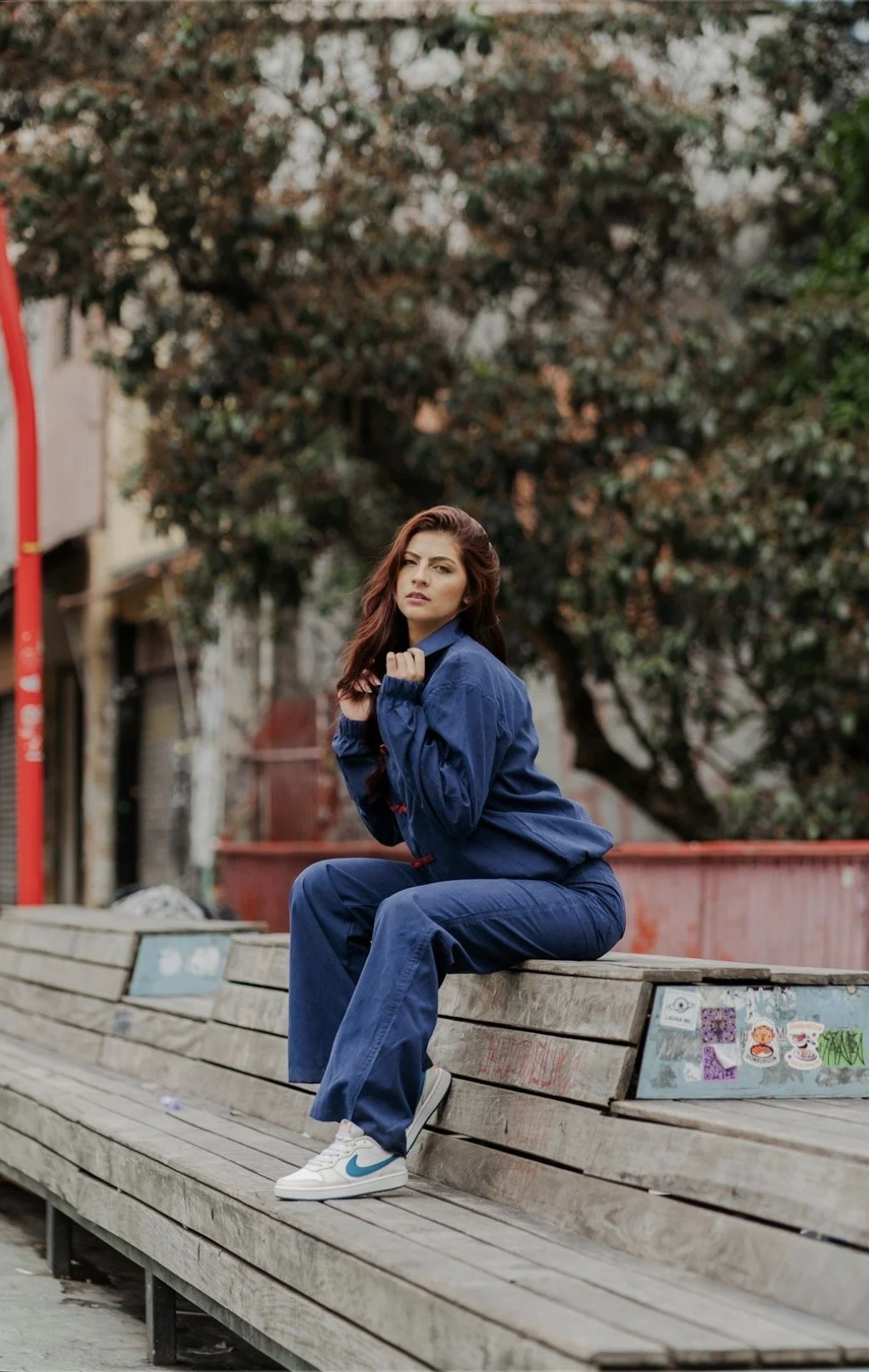
One of the biggest mistakes professionals make is treating casual wear like a complete abandonment of standards. The result is often an image disconnect:
Highly polished at work
Completely invisible outside of it
The problem? Your image is still speaking.
Your off-duty wardrobe should communicate:
Ease
Control
Intention
Taste
Lifestyle alignment
Not exhaustion, confusion, or “I gave up because it’s the weekend.”
The goal is not to look overdressed. The goal is to look considered.
There is a major difference between:
Relaxed & Sloppy
Minimal & Unfinished
Comfortable & Careless
Successful people understand that presentation is not an on/off switch. it’s a lifestyle language.
The New Luxury is Effortless Competence
Today’s high-level aesthetic is less about obvious designer labels and more about visual calmness.
The off-duty executive wardrobe is built around pieces that feel:
Elevated
Clean
Structured
Intentional
Quietly Expensive
Think:
Tailored trousers with a knit instead of sweatpants
Crisp monochromatic athleisure
Elevated basics with impeccable fit
Dark denim with polished outerwear
Luxe sneakers that are clean and streamlined
Minimal jewelry and refined accessories
Quality fabrics that hold shape
The common denominator is control.
Nothing looks accidental.
The most successful off-duty looks create the impression that the wearer has standards in every area of life. Not just during business hours.
Fit Matters More Off-Duty Than it Does in Businesswear
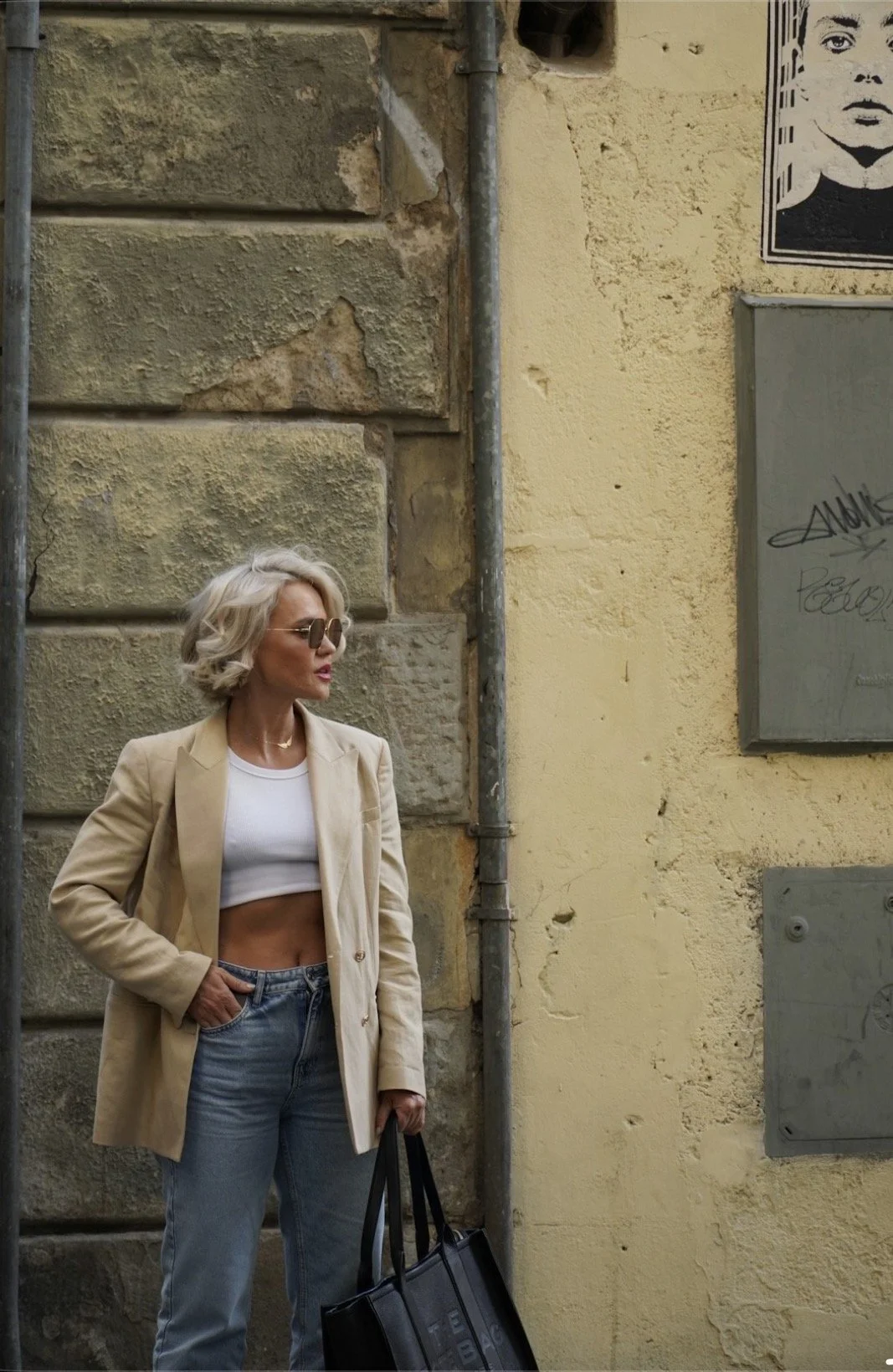
Formalwear naturally creates structure. Casual wear does not.
Which means fit becomes even more important when dressing down.
Oversized doesn’t automatically mean fashionable. Relaxed silhouettes still need balance, proportion, and shape. Executives who master casual dressing understand how to maintain polish without look rigid.
That might mean:
A slightly cropped jacket for cleaner proportions
Straight-leg denim instead of overly distressed skinny jeans
Matching sets with intentional tailoring
Knitwear that skims instead of swallows the body
Footwear that looks maintained and current
When casual clothes fit properly, they immediately elevate perceived status.
People may not consciously identify why someone looks expensive, disciplined, or successful, but they feel it instantly.
Your Off-Duty Look is Still Part of Your Brand
Executives spend years building credibility, authority, and influence, but many unintentionally dilute that image outside the office.
Your personal brand doesn’t disappear when the meeting ends.
If anything today’s world has made image consistency even more important:
Social media blurs personal and professional life
Networking happens casually now
High-level opportunities happen in relaxed environments
First impressions happen constantly
You never know:
Who sees you at the airport lounge
Who recognizes you at brunch
Who follow you online
Who’s deciding whether you “look” like leadership material
The goal is not perfection. It’s alignment.
Your off-duty wardrobe should feel like the natural extension of the life you’re building.
The Psychology of Looking “Together”
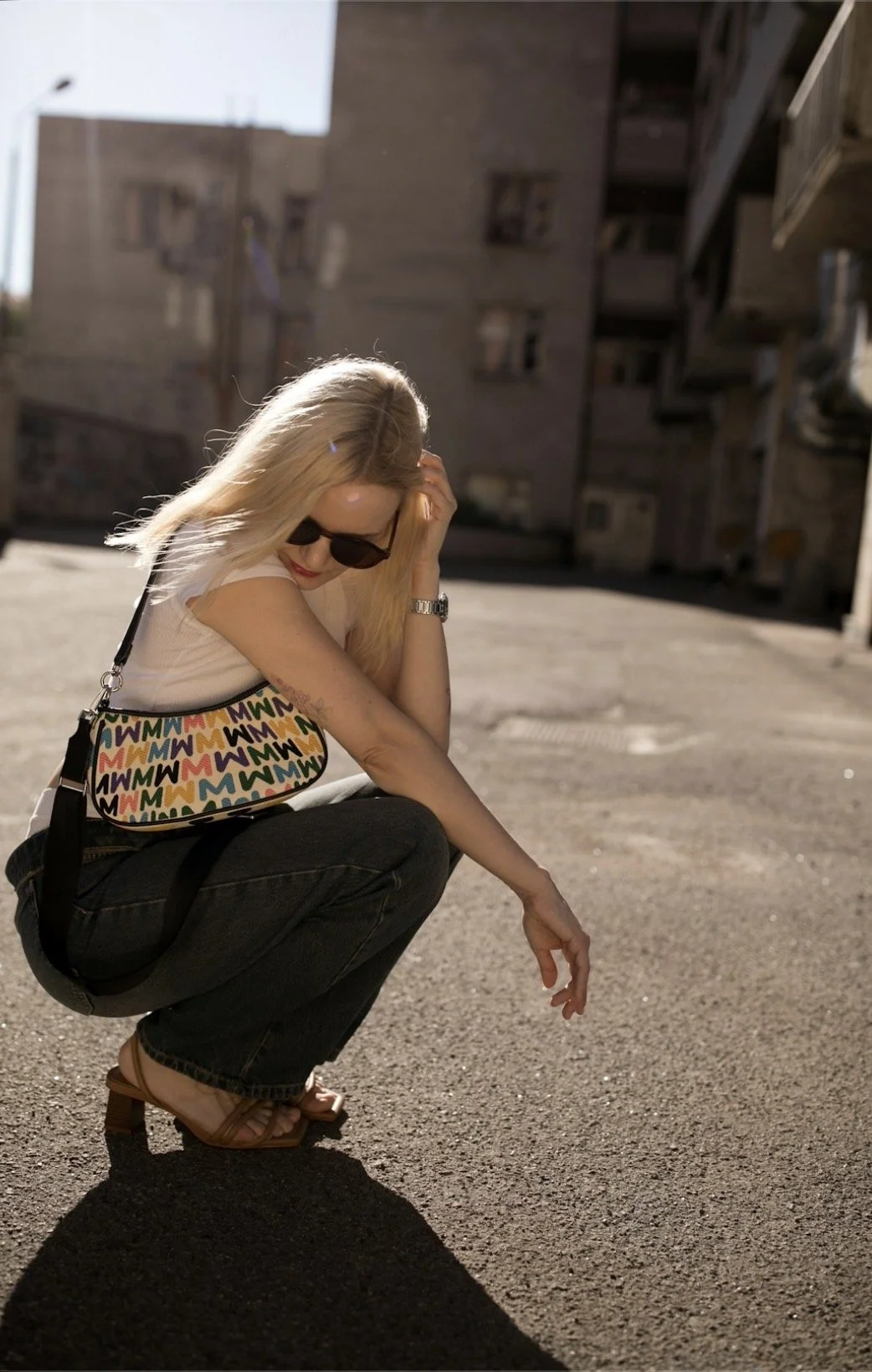
There’s also a personal benefit to elevated off-duty style that most people overlook: identity reinforcement.
When you maintain a polished appearance outside of work, you reinforce:
Self-respect
Discipline
Confidence
Personal standards
Emotional composure
Your clothing impacts how you carry yourself, how you communicate, and even how decisively you move through the world.
This is especially important for high performers who are constantly managing pressure and responsibility. Looking put together creates a sense of internal order.
Contrary to popular belief, elevated casual wear does not require endless shopping or trend chasing.
It requires:
Better selection
Better fit
Better coordination
Better standards
Success is a Lifestyle, Not a Costume
The people who consistently command respect visually are not reinventing themselves every time they leave the house.
They’ve built a lifestyle aesthetic.
Their image feels cohesive whether they are:
In a meeting
At dinner
Traveling
Running errands
Working remotely
Relaxing on the weekend
That consistency creates trust, authority, and memorability.
Because true style is not about dressing up for attention.
It’s about creating an identity so aligned that success feels visible; even off-duty.
