
The Big Three: Hair, Style, Skin/Makeup & Why You Can’t Skip Steps
In professional spaces, people love to talk about confidence, communication, and competence. But what rarely gets discussed openly is this: your appearance is often processed before you ever speak.
Executives, entrepreneurs, leaders, and high-performing professionals are constantly being evaluated; not just on skill, but on presentation. The truth is, people don’t experience you in categories. They experience you as a complete image.
This is where “The Big Three” comes in:
Hair
Style
Skin/Makeup
When one of these areas are neglected, the entire image weakens. You cannot compensate for poor grooming with designer clothing. You cannot rely on flawless makeup while ignoring fit and styling. You cannot have incredible fashion sense while looking chronically exhausted and unkempt. The professionals who appear polished, elevated, and influential understand something important: every detail works together.
Why Executives Can’t Afford an Incomplete Image
In leadership environments, perception matters because perception affects opportunity.
People make assumptions about:
Your discipline
Your standards
Your attention to detail
Your authority
Your credibility
… all before you finish introducing yourself.
A fragmented image creates friction. Even if you are talented, your presentation can unintentionally communicate:
Overwhelmed
Inconsistent
Lack of self-awareness
Exhausted
Disorganized
Meanwhile, a cohesive image creates ease. People trust what looks intentional.
This doesn’t mean perfections. It means alignment.
The goal is to look like someone who is in control of their life, their standards, and their environment.
Step One: Hair Sets the Tone
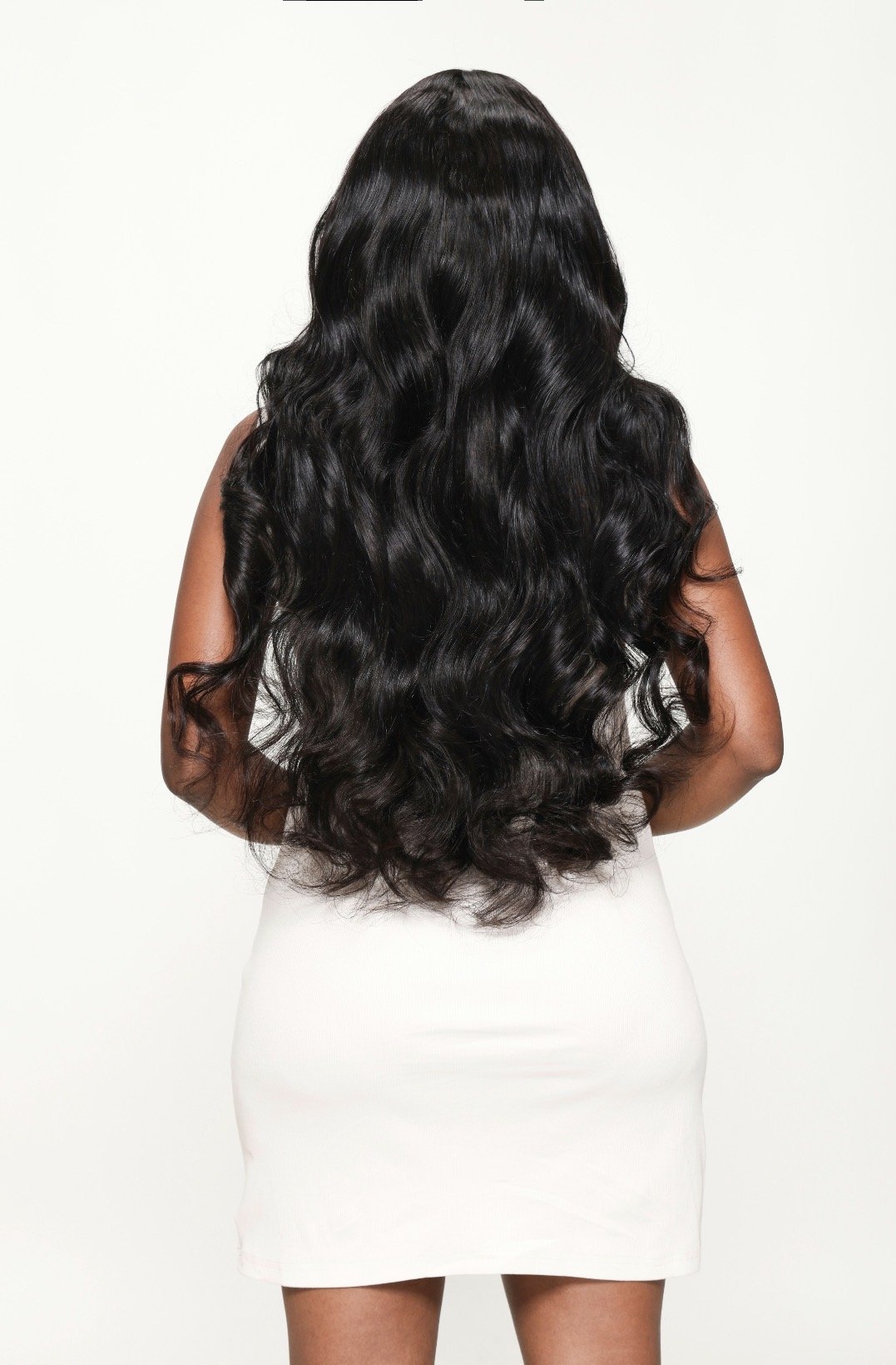
Hair is often the first thing people register because it frames the face. It can instantly communicate polish, or chaos.
You can wear an expensive blazer and luxury accessories, but if the hair appears neglected, damaged, overly overdue, or disconnected from your overall image, it lowers the impact of everything else.
For executives and professionals, hair should communicate:
Maintenance
Intention
Health
Consistency
Structure
That does not require high-maintenance glam every day. In fact, some of the most powerful professional looks are relatively simple.
The key is that the hair looks cared for.
For women, that may mean:
Cleaner color maintenance
Healthier ends
More intentional styling
Finding a cut that supports facial structure and lifestyle
For men, it may mean:
Sharper grooming
Cleaner lines
Better beard maintenance
Modernizing an outdated cut
Hair often becomes the “silent signal” of whether someone is current, intentional, and attentive to themselves.
Step Two: Style Communicates Positioning
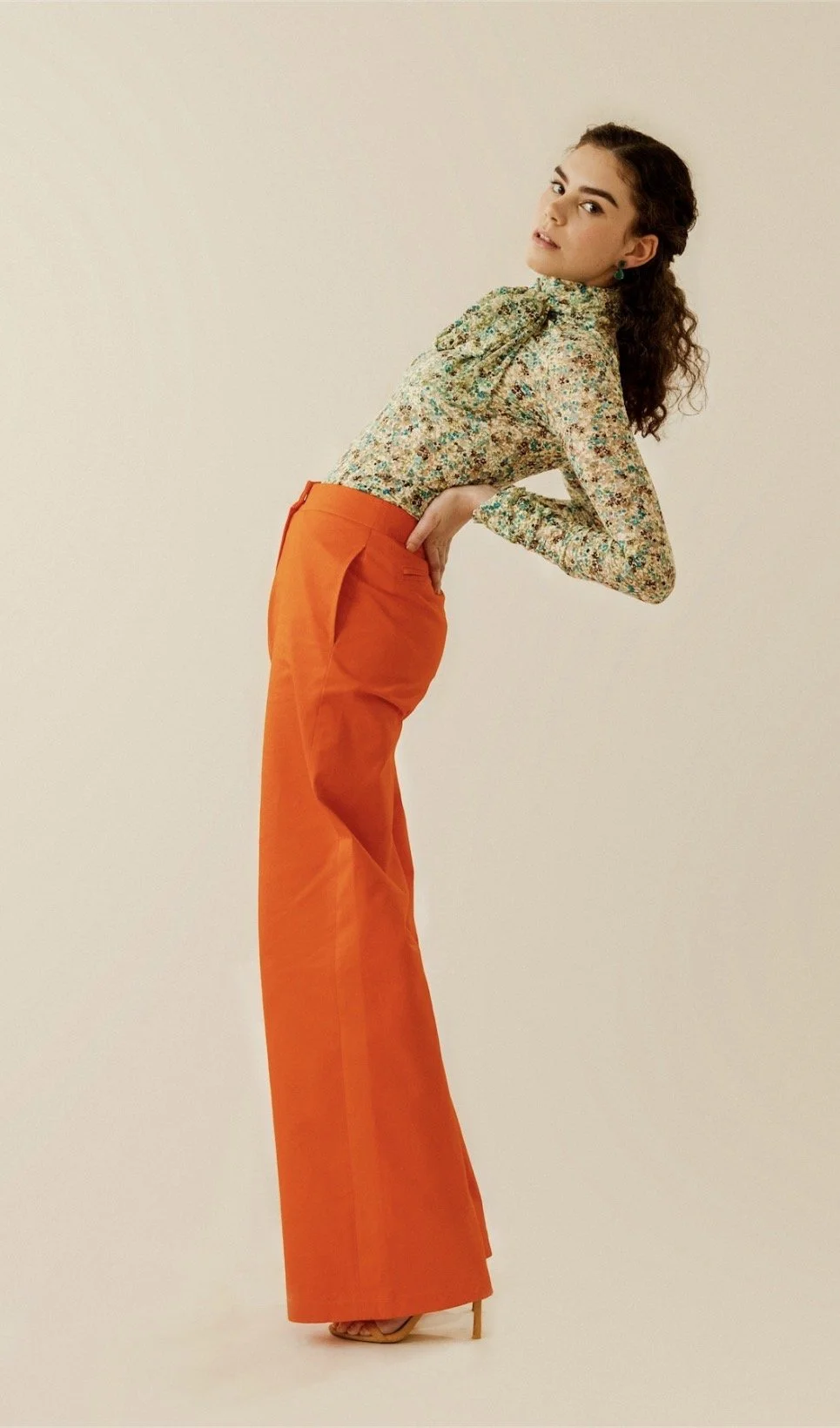
Style is not just clothing. It is visual communication.
What you wear tells people:
How seriously to take you
How you see yourself
What level you operate at
Whether you understand the environment you’re in
One of the biggest mistake professionals make is dressing purely for functionality while completely ignoring positioning.
There is a difference between:
Being Dress
&
Looking Intentional
The executives who command rooms visually understand:
Fit matters more than trends
Tailoring changes everything
Proportions affect authority
Color affects perception
Quality communicates standards
A polished wardrobe reduces decision fatigue while increasing confidence and consistency.
Instead of chasing trends, professionals should focus on building a wardrobe that supports:
Leadership
Credibility
Attractiveness
Authority
Ease
Personal branding
The goal is not to look flashy.
The goal is to look elevated enough that your image supports your ambitions instead of quietly fighting against them.
Step Three: Skin & Makeup Reflect Self-Maintenance
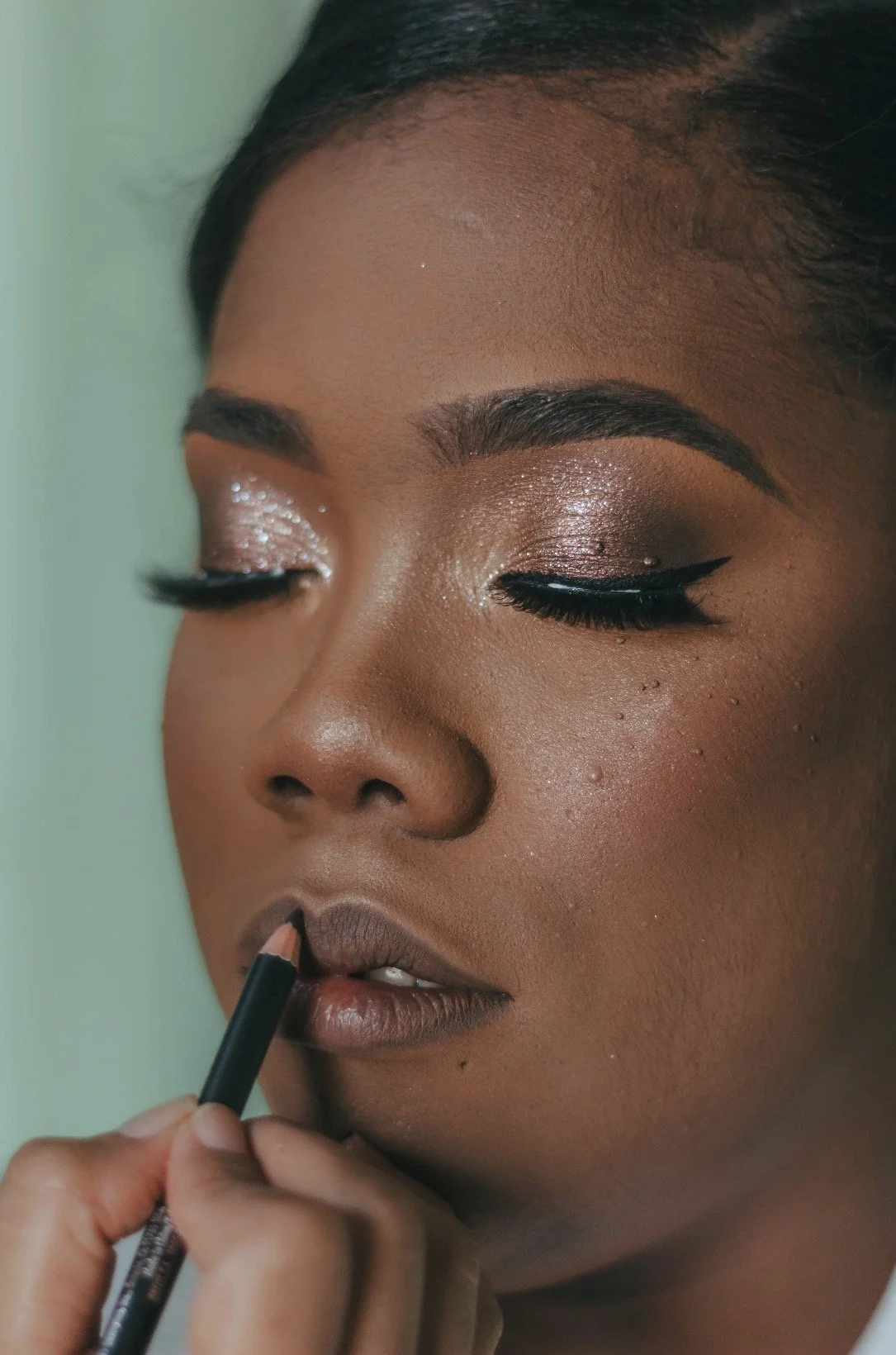
Healthy skin and polished grooming communicate vitality.
Whether someone wars full makeup, minimal makeup, none at all, people still subconsciously register:
Skin quality
Grooming habits
Energy levels
Signs of stress
Sleep deprivation
Upkeep
For professionals constantly in meetings, on Zoom, networking, presenting, or leading teams, this matters more than people realize.
You do not need heavy makeup to look polished.
But you do need:
Intentional grooming
Healthy-looking skin
Proper skincare habits
Balance
Consistency
For women, makeup should enhance professionalism rather than compete with it. For men, skincare and grooming play the same role.
Looking more refreshed is powerful.
Especially in executive spaces where burnout, stress, and overworking are common, appearing composed and well-maintained can completely change how people respond to you.
Why Skipping One Step Weakens the Entire Image
This is that part people resist.
Many professionals focus on only one area:
Great wardrobe, neglected grooming
Flawless makeup, weak style
Expensive hair, poor clothing fit
But image does not work in isolation.
People absorb the overall presentation.
One disconnected category create visual confusion and lowers the perceived level of the entire look.
Think of it this way:
Hair creates the frame.
Skin/grooming creates freshness.
Style creates structure and authority.
When all three align, the result feels powerful, polished, and complete.
That is often the difference between someone looking:
“Fine”
& Someone looking
High-level
The Real Reason This Matters
This is not about vanity.
It is about alignment.
Your image should match:
Your goals
Your intelligence
Your ambition
Your professionalism
Your future positioning
Too many capable professionals are under-presenting themselves while expecting the world to see their full value automatically.
But image affects:
First impressions
Opportunities
Attraction
Leadership perception
Networking success
Executive presence
Confidence
People treat you differently when you look intentional.
And more importantly, you often treat yourself differently too.
Final Thoughts
The most impactful transformations rarely come from one dramatic change.
Usually, it is the result of refining the foundational areas consistently:
Healthier hair
Stronger styling
Better grooming
Elevated fit
Intentional presentation
The Big Three work together.
When they finally align, truly notice.
Not because you became someone else, but because your exterior finally started reflecting the level you were already operating at internally.
