
Outgrowing Your Old Image: The Necessary Discomfort of Leveling Up
There comes a point in every professional’s life where their old image no longer matches the level they’re trying to reach.
The clothes that once felt “good enough” suddenly feel disconnected. The way you present yourself behind to clash with the rooms you want to enter. And what used to feel comfortable starts feeling limiting.
That discomfort? It’s not vanity. It’s growth.
For executives and professionals, image evolution is rarely about becoming someone else. It’s about allowing your external presentation to reflect the level of discipline, intelligence, ambition, and authority you already carry internally.
The problem is: leveling up almost always feels uncomfortable before it feels natural.
Your Old Image Was Built for an Older Version of You
Most people don’t intentionally create their image. They inherit it.
It’s shaped by:
Old Environments
Financial Limitations
College Habits
Workplace Culture
Past Insecurities
Versions of themselves they’ve already outgrown
The issue is that many professionals continue dressing for survival long after they’ve entered a season that requires leadership.
You cannot continue presenting yourself like the entry-level version of you while expecting executive-level treatment.
At some point, your image either supports your growth, or silently delays it.
Why Reinvention Feels So Uncomfortable
People love talking about “glow-ups” as if transformation is effortless. In reality, refining your image often creates emotional resistance before confidence.
Because changing your image once’s you to confront:
How long you’ve been playing small
The gap between your potential and presentation
Fear of standing out
Fear of judgement from people used to the old version f you
Fear of appearing “too polished,” “too ambitious,” or “too much”
Professionals especially struggle here because competence has carried them for years. They’ve learned to prioritize performance over presentation.
But high-level leadership requires both.
The most influential people in the room rarely look accidental.
The Corporate World Responds to Visual Signals
Whether people admit it or not, image impacts perception.
Before you speak, your appearance already communicates:
Attention to detail
Standards
Self-awareness
Confidence
Discipline
Authority
Social Intelligence
Executives are constantly being evaluated on presence, not just skill.
This is why two equally qualified professionals can walk into the same room and receive completely different reactions.
One looks prepared for leadership.
The other looks stuck in maintenance mode.
Image strategy is not about being trendy. It’s about visual alignment.
You Will Outgrow Certain Pieces, Habits, and Mindsets

Leveling up often requires letting go of:
Clothing that no longer reflects your current standards
Overly casual habits
Poor tailoring
Neglected grooming
“I’ll deal with it later” thinking
Hiding behind oversized clothing or outdated styling
Treating image as optional instead of strategic
And yes, sometimes people around you become uncomfortable when your image changes.
Why?
Because your transformation reminds them of their own stagnation.
Not everyone will understand why you suddenly care more about tailoring, grooming, skincare, quality fabrics, posture, or presentation. But executives who command attention understand something important:
Presentation influences opportunity.
The Most Powerful Transformations Are Usually Quiet
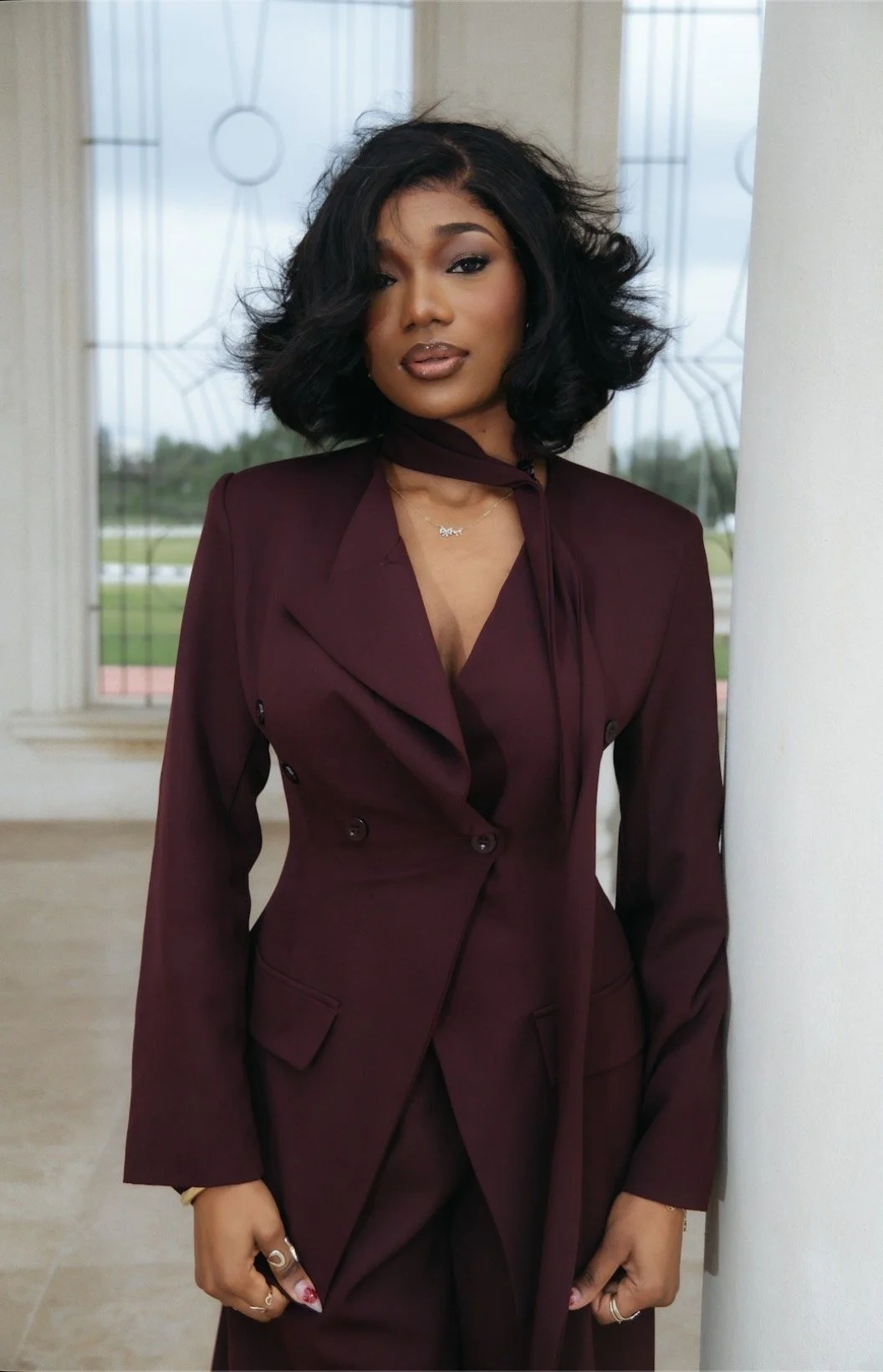
True image elevation rarely looks loud.
It’s subtle.
Sharper fit.
Better fabrics.
Cleaner grooming.
Intentional color palettes.
More structure.
More refinement.
Less chaos.
The goal isn’t to look flashy.
The goal is to look aligned.
The highest-level professionals often master restraint. Their image feels expensive because it feels intentional, not performative.
Confidence Often Comes After the Upgrade. Not Before.
One of the biggest misconceptions in personal style is believing you must feel confident before changing your image.
In reality, confidence is usually built through action.
You refine the wardrobe.
You improve the grooming.
You learn what flatters you.
You invest in fit.
You become more intentional.
Then your confidence catches up.
Waiting to “feel ready” is often what keeps professionals visually stuck for years.
Your Next Level Requires a Different Standard
Every level of success demands a new version of discipline.
That includes your image.
The executive version of you cannot continue operating with the habits, presentation, and self-neglect of the overwhelmed version of you.
There is a reason high performers eventually begin caring about:
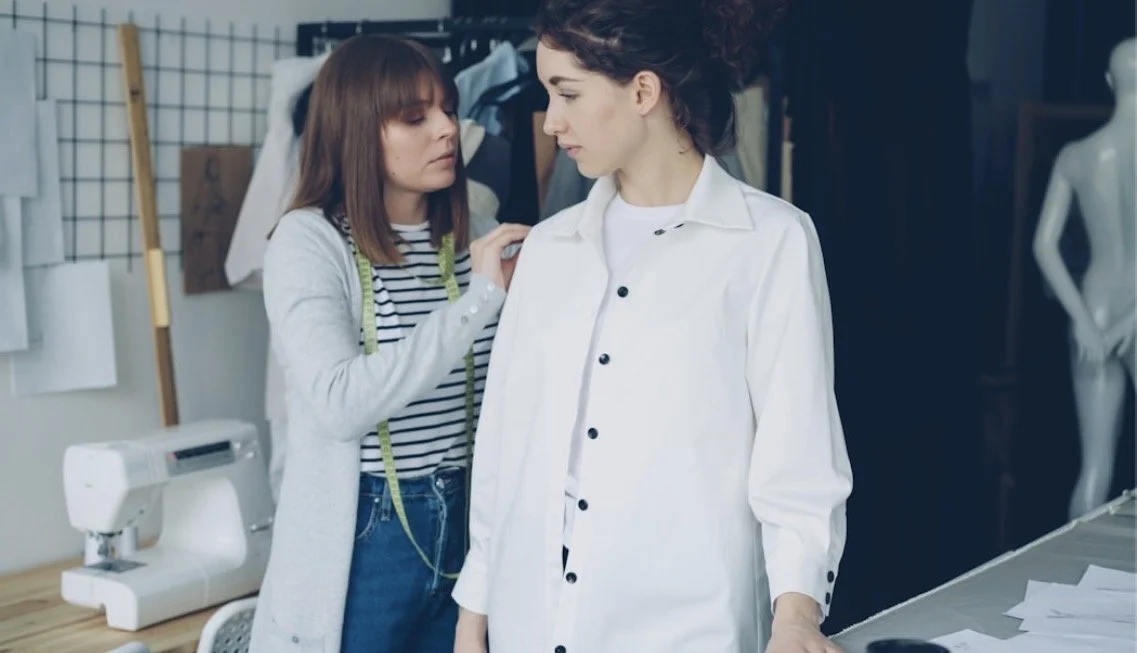
Tailoring
Skincare
Fitness
Hair
Personal branding
Signature style
Grooming consistency
Quality over quantity
Because they realize image is not separate from leadership, it reinforces it.
Final Thoughts
Outgrowing your old image is emotional because it represents identity change.
But discomfort is often evidence that you’re no longer meant for the version of yourself you’ve been holding onto.
The professionals who evolve the fastest understand this:
Your image should not be a historical document of who you used to be.
It should be evidence of where you’re going.
