
Personal Branding Through Professional Style
In professional environments, first impressions are often formed in seconds— long before a résumé is read or a handshake is exchanged. Personal branding is not just about logos, social media presence, or business cards; it is also about visual identity. The way you dress communicates competence, confidence, creativity, and credibility without a single word.
Professional style is one of the most powerful yet underutilized tools in personal branding. When curated intentionally, your wardrobe becomes an extension of your voice, values, and ambitions.

What is Personal Branding in Style?
Personal branding through style is the intentional alignment of your clothing, grooming, and overall appearance with the message you want to convey professionally. It’s not about dressing expensively or following every trend— it’s about consistency and clarity.
A strong brand answers questions such as:
What do I want people to associate with me?
What qualities do I want to project— authority, approachability, innovation, reliability?
Does my wardrobe visually support my goals?
When style and purpose align, your presence becomes memorable rather than merely acceptable.
The Psychology Behind Professional Style
Clothing influences not only how others perceive you, but also how you perceive yourself. This concept— often referred to as “enclothed cognition” — suggests that what you wear can affect confidence, focus, and performance.
Key Psychological Impacts:
Confidence Boost: Structured, well-fitting garments often improve posture and self- assurance.
Authority Signaling: Clean lines, tailored silhouettes, and cohesive color palettes convey competence.
Approachability: Soft textures, balanced colors, and relaxed tailoring can create warmth without sacrificing professionalism.
In short, dressing with intention changes both the external perception and the internal mindset.
Building a Signature Professional Style
A signature style is not restrictive; it is recognizable. It provides visual continuity while allowing flexibility. Think of it as a framework rather than a uniform.
More Elements to Define:
Color Palette: Choose 3-5 primary colors that like you back and it well together.
Silhouettes: Identity cuts that consistently flatter your body shape— blazers, high-waisted trousers, midi skirts, structured dresses, or tailored denim.
Textures & Fabrics: Incorporate materials that align with your professional environment— wool, silk blends, cotton twill, or refined knits.
Accessories: Watches, belts, minimal jewelry, or statement eyewear can become visual signatures.
Consistency builds recognition builds brand recall.

Dressing for Industry Without Losing Identity
Professional style does not mean erasing personality. Instead, it means translating individuality into a format appropriate for your field.
Balancing Professional Expectations with Personal Expression:
Corporate Environments: Focus on tailoring, neutral bases, and subtle personality through accessories or color accents.
Creative Fields: Experiment with silhouettes, prints, or bold color combinations while maintaining polish.
Client-Facing Roles: Prioritize approachability and trust— well-fitted basics elevated with intentional details.
The goal is alignment, not conformity. Your clothing should feel like you— refined, not restrained.
The Role of Fit & Grooming
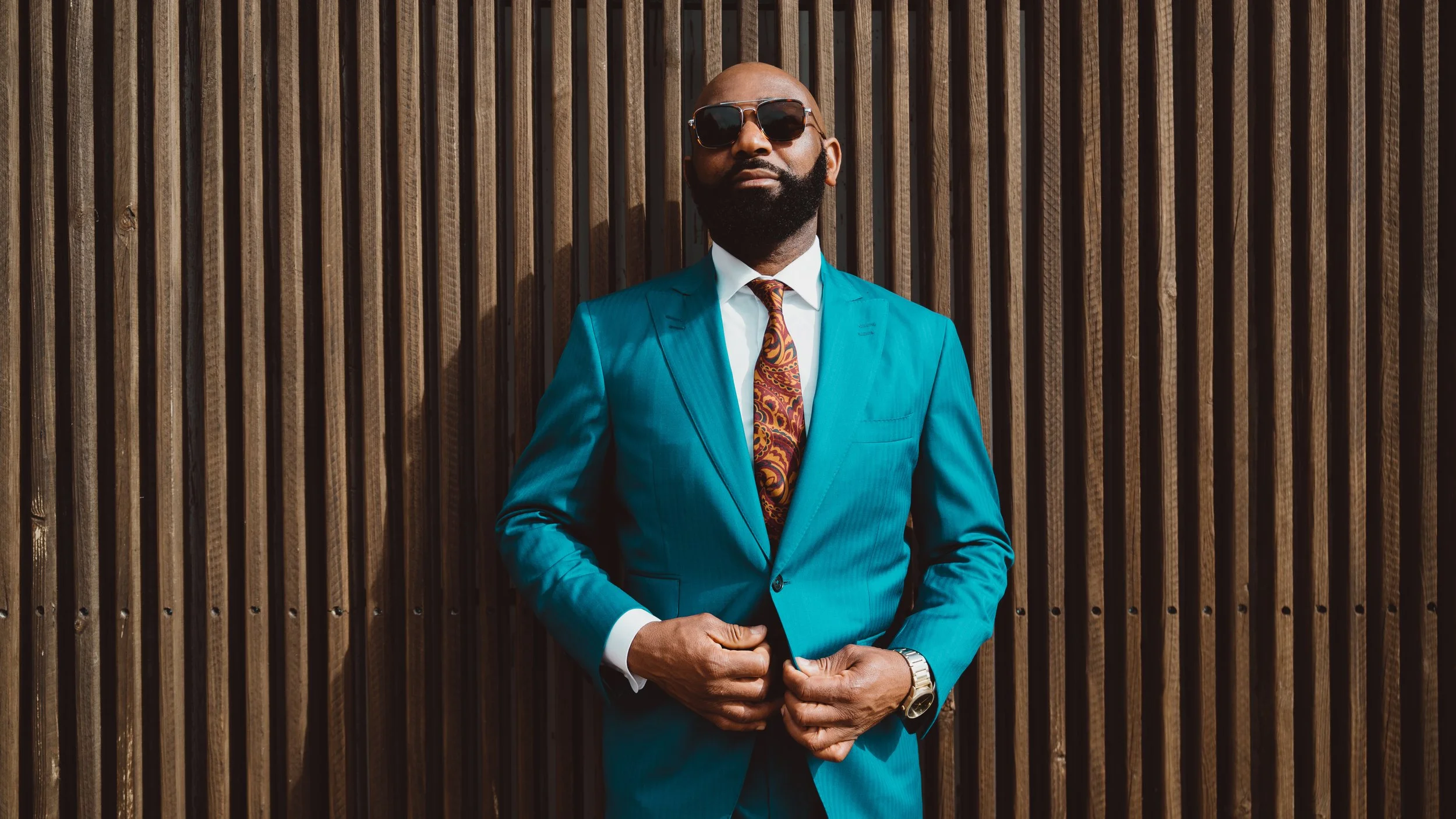
Even the most thoughtfully selected outfit loses impact without proper fit and grooming. These elements are foundational to a professional image.
Non-Negotiable:
Tailoring garments to your proportions
Clean, well-maintained shoes
Groomed hair and intentional hairstyles
Subtle, polished makeup or skincare routines
Pressed, lint-free clothing
For communicates precision. Grooming communicates discipline. Together, they communicate professionalism.
Style Consistency Across Platforms
Personal branding today extends beyond the office. LinkedIn headshots, speaking engagements, social media, and virtual meetings all contribute to your visual narrative.
Ways to Maintain Cohesion:
Wear variations of your signature colors in professional photos.
Keep accessories and silhouettes aligned with your everyday style.
Avoid drastically different looks across professional platforms unless intentional.
Consistency reinforces credibility and makes your brand visually dependable.
Investing Strategically in Your Wardrobe
Building a professional style does not require a complete overhaul overnight. Strategic investment yields better results than impulse shopping.
Smart Investment Categories:
A structured blazer or tailored jacket
Versatile trousers or skirts in neutral tones
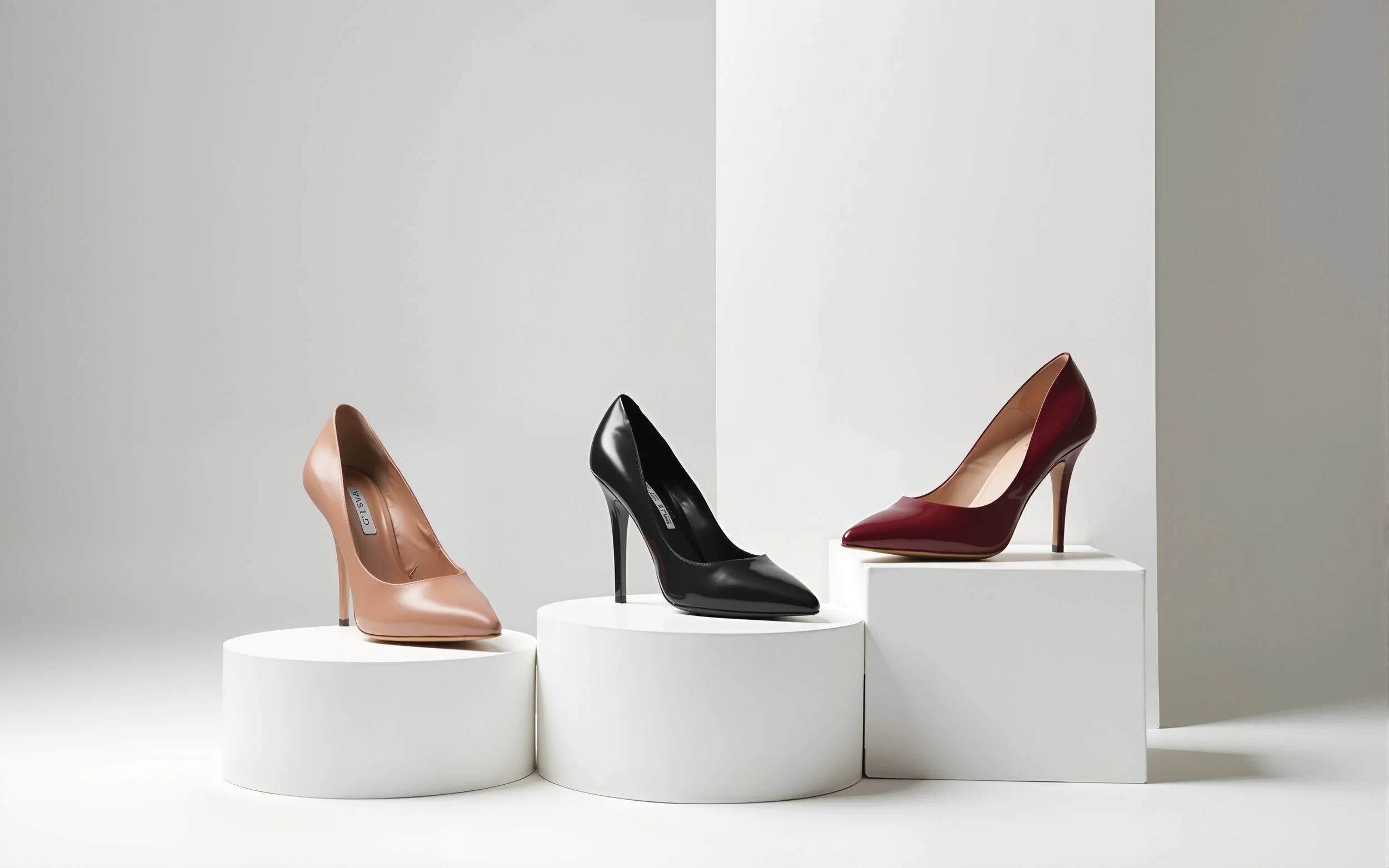
Quality footwear suitable for long days
Elevated basics (shirts, blouses, knit tops)
One or two statement pieces that reflect personality
Quality over quantity ensures longevity and coherence.
Final Thoughts: Style as a Strategic Asset
Professional style is not vanity— it is strategy. When curated thoughtfully, it becomes a silent ambassador that speaks on your behalf in every room you enter. Your wardrobe can communicate ambition, reliability, creativity, or leadership before introductions are made.
Personal branding style is ultimately about alignment: aligning who you are with how you appear, and aligning how you appear with where you want to go. When those elements work together, style transforms from clothing into influence.
#personalstylist #Stylistblog #FashionBlog #PersonalBrand #Stylistformen # #Styleexpert
