
Fit Over Fashion: The Rule that Separates Sharp from Sloppy
In executive environments, style is not about standing out— it’s about standing correctly. The boardroom is not impressed by trend awareness; it responds to precision, credibility, and presence. And nothing communicates those qualities faster than fit.
You can wear a designer suit, a luxury dress, or premium footwear, but if the fit is off, the message weakens instantly. Conversely, a well-fitted, mid-range wardrobe can project authority, discipline, and leadership with remarkable effectiveness.
For executives, fit is not a fashion choice— it is a professional tool.
Why Fit Carries Executive Weight
At higher professional levels, clothing becomes part of your communication strategy. Before you speak, negotiate, or present, your appearance has already delivered a silent introduction.
A Strong Fit Signals:
Attention to detail— a trait directly associated with leadership.
Preparedness— suggesting you plan ahead rather than react.
Self-respect— which often translates into how others respect you.
Competence— structure in clothing subconsciously mirrors structure in decision-making.
Executives are not judged on rend fluency. They are judged on precision and consistency.
The Executive Silhouette: What Sharp Looks Like
A sharp executive fit is defined by clean lines and controlled structure. It is never distracting, never fussy, and never accidental.
Blazer & Suit Jackets
Shoulder seams align exactly with the shoulder edge
Sleeves end at the wrist bone, revealing a subtle shirt or blouse cuff if worn
The jacket closes smoothly without pulling
The waist creates light shape without constriction

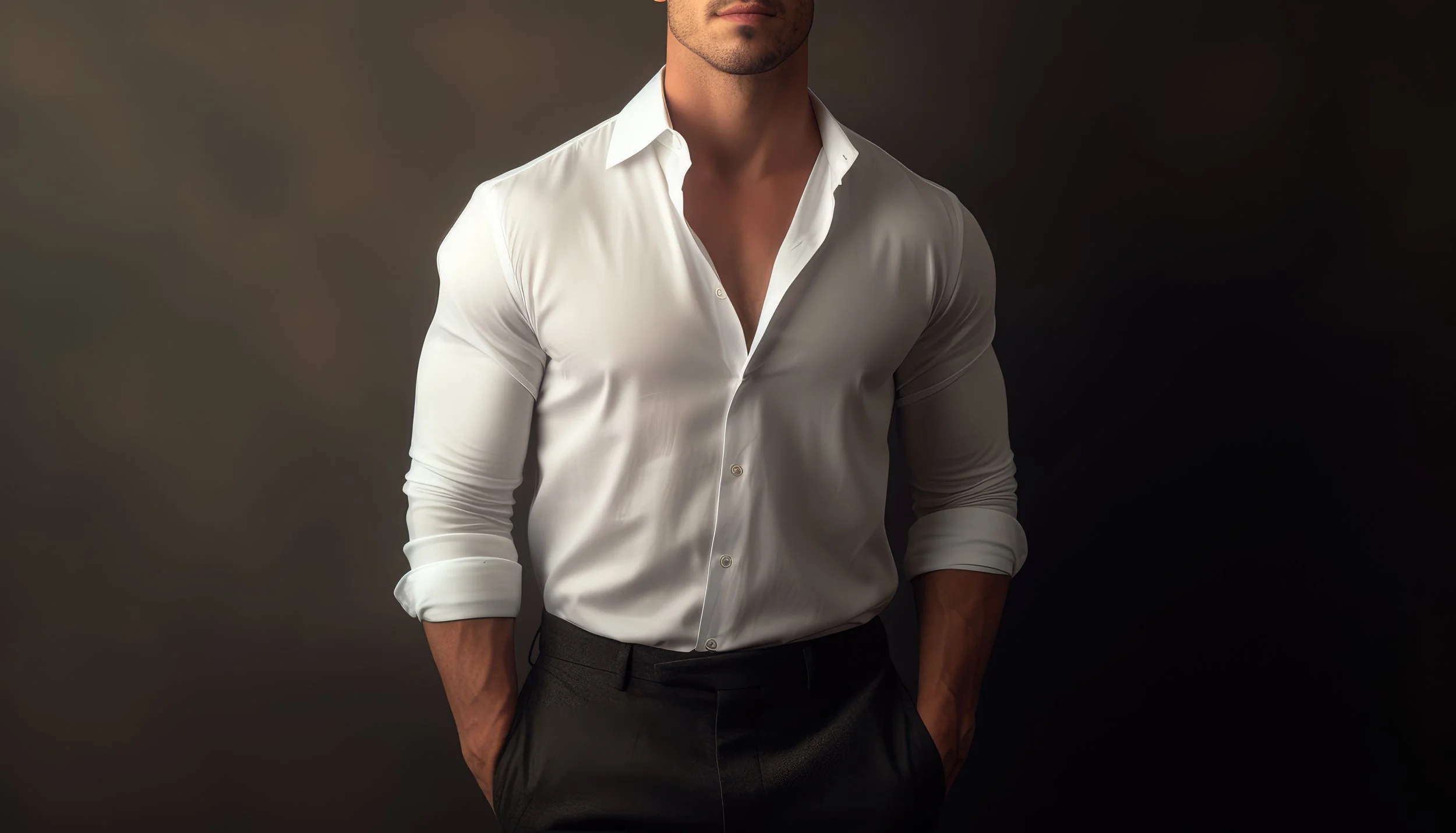
Shirts & Blouses
Collar sits flush against the neck without gaps
Buttons lie flat— no strain across the chest
Sleeves allow natural arm movement without excess fabric
Hem length remains secure when sated or standing
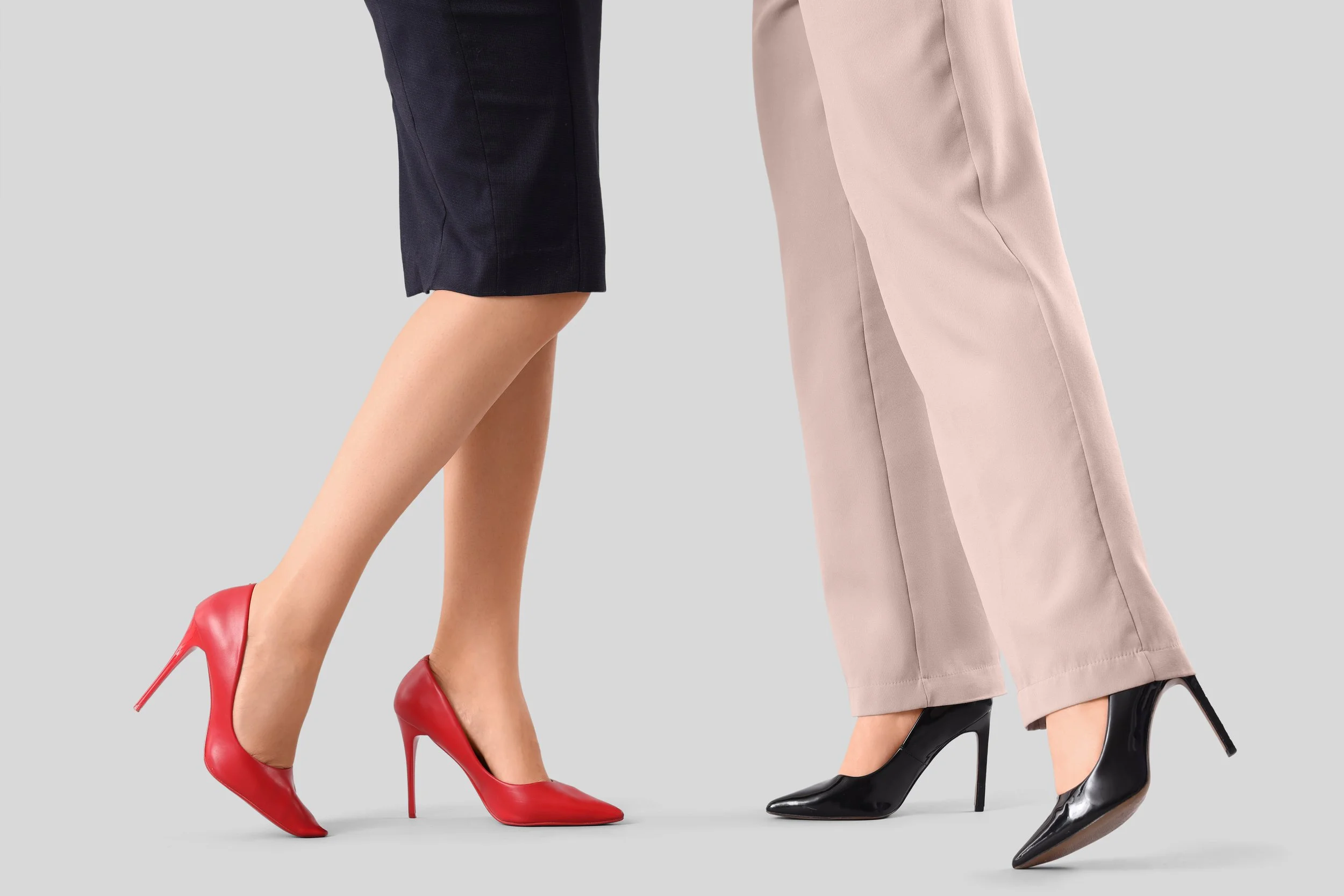
Trousers & Skirts
Waist fits without belt dependency (belt are accents, not solutions)
Pant break is clean— not pooling, not cropped unintentionally
Skirt hems fall at intentional appropriate to the setting
Fabric moves smoothly when walking or sitting
Dresses & Suits
Contour the body without clinging
Maintain clean seams form front, side, and back views
Allow full range of motion without adjustment
Preserve silhouette while seated

The executive goal is structured ease— authority without stiffness.
Where Executive Style Breaks Down
Even high-level professionals fall into common fit pitfalls:
Off-the-rack suits worn without tailoring
Sleeves extending past the wrist or stopping mid-forearm
Trousers bunching at the ankle
Jackets too tight across the back when reaching forward
Overly loose silhouettes mistaken for comfort
These issues don’t just affect appearance— they subtly undermine perceived control and composure.
Tailoring: The Executive Advantage
Tailoring is one of the most strategic investments an executive can make. Money alterations can shift an outfit from acceptable to commanding.
High-Impact Adjustments Include:
Sleeve shortening or lengthening
Waist suppression in jackets or dresses
Trouser hemming and tapering
Shoulder refinements
Skirt and dress hem corrections
Tailoring transforms clothing into a personal uniform— one that communicates clarity and intention every time it is worn.
Fit vs. Tight: A Leadership Distinction
Executives do not need restrictive clothing to appear sharp. Authority is not achieved through compression; it is achieved through balance.
Tight signals tension and discomfort.
Baggy signals carelessness or indecision.
Fitted signals confidence and control.
Structured-loose signals modern authority with approachability.
The ideal executive fit allows movement, breath, and posture— never strain.
The Psychological Power of Precision
When an executive’s clothing fits correctly:
Posture improves naturally during presentations
Movements appear deliberate rather than hurried
Adjustments and fidgeting decrease
Presence becomes calm and assured
Colleagues and clients may not consciously analyze fit, but they respond instinctively to composure it creates.
The Executive Rule of Style
Before selecting colors, fabrics, or seasonal updates, ask the question that defines professional polish:
“Does this fit my body— and my role— right now?”
If the answer is no, the most expensive garment will fall short.
If the answer is yes, even a minimalist wardrobe can project executive authority.

Final Perspective
Fashion is optional in executive spaces.
Fit is non-negotiable.
Trends may enhance personal expression, but precision builds professional credibility. The leaders who consistently appear sharp are not necessarily the most fashionable— they are the most intentional.
In executive style, fit is not decoration. It is distinction.
#personalstylist #Stylistblog #FashionBlog #PersonalBrand #Stylistformen # #Styleexpert
