
Executive Presence: The Visual Signals That Build Trust Instantly
In professional environments, decisions are often made before a single word is spoken. Executive presence is not about dressing expensively or following every trend— it’s about visual clarity. The way you present yourself communicates competence, reliability, and authority within seconds. Whether you are leading a meeting, pitching an idea, or stepping into a networking event, your visual signals are shaping how others interpret your credibility.
Executive presence is built through intentional details. These signals work together to create an impression of confidence, organization, and self-awareness— qualities people instinctively trust.
Fit: The Foundation of Authority
Clothing that fits properly signals discipline and attention to detail. Oversized or tight garments can subconsciously communicate carelessness or discomfort, while tailored pieces suggest preparedness and control.
Key Fit Principles:
Shoulder seams should align with your natural shoulder edge.
Sleeveless and pant hems should end cleanly without bunching.
Jackets should close comfortably without pulling.
Waist definition should feel structured, not restrictive.
A well-fitted blazer or structured dress can elevate even the simplest outfit into something that feels intentional and executive-ready.
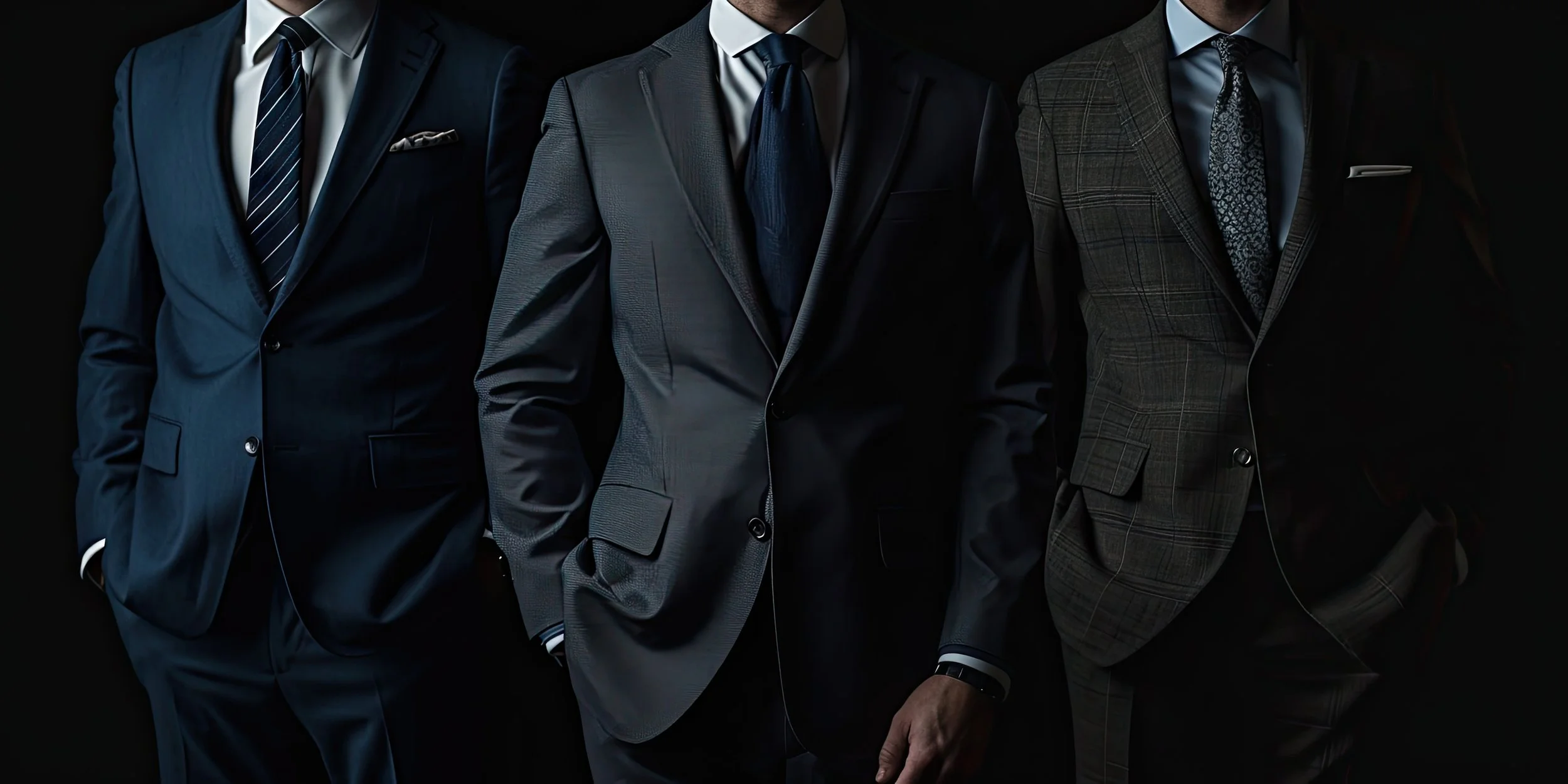
2. Grooming: The Silent Credibility Multiplier
Grooming is often overlooked because it feels secondary to clothing, yet it carries equal weight. Clean lines, polished hair, and healthy skin project self-respect and consistency.
Grooming Signals That Build Trust:
Neatly styled hair with intentional shape.
Clean, well-maintained nails.
Subtle, professional fragrance.
Facial hair groomed or clean-shaven with precision.
Minimal, refined makeup that enhances rather than masks.
When grooming is consistent, it reassures others that you value standards— and by extension, you will uphold standards in your work.
3. Accessories: Controlled Expression
Accessories are not decoration; they are punctuation. The right piece reinforces your message, while excess creates visual noise.
Executive Accessory Guidelines:
One or two focal pieces maximum.
Structured bad or portfolios over soft, slouchy options.
Watched or simple jewelry that signal time awareness and refinement.
Belts and shoes that match in tone for visual cohesion.
The objective is harmony. Accessories should feel like part of a system, not an afterthought.

4. Posture & Presence: Clothing’s Final Layer
Even the most polished outfit loses impact if posture and movement contradict it. Executive presence extends beyond wardrobe into body language.
Physical Presence Signals:
Upright posture with relaxed shoulders.
Measured walking pace.
Direct but warm eye contact.
Calm, deliberate gestures.
These signals align your visual presentation with behavioral confidence, completing the impression of leadership.
The Power of Consistency

Executive presence is not built through one standout outfit; it is developed through repeated visual reliability. When colleagues, clients, or partners consistently see you as polished, composed, and intentional, trust forms naturally. Consistency removes uncertainty, and in professional spaces, certainty is often equated with competence.
Ultimately, executive presence is less about impressing and more about reassuring. It tells the room:
“I am prepared. I am aware. You can rely on me.”
When your visual signals are aligned, trust is no longer something you chase- it becomes something you naturally command.
#personalstylist #Stylistblog #FashionBlog #PersonalBrand #Stylistformen # #Styleexpert
