
Every executive understands the value of efficiency. You optimize calendars, delegate tasks, automate systems, and streamline workflows because you know one thing: your mental energy is limited.
Yet many high-performing professionals unknowingly waste that same energy every single morning standing in front of a closet.
“What should I wear?”
“Does this still fit the image I want?”
“Is this polished enough for today’s meeting?”
“Why does nothing feel right?”
It seems small, but over time, these constant micro-decisions create something powerful: decision fatigue.
And it is quietly costing you confidence, clarity, time, and executive presence.
The truth is, your wardrobe is not separate from your performance. It directly affects how you move through your day, how others perceive you, and how much mental bandwidth you have left for the decisions that actually matter.
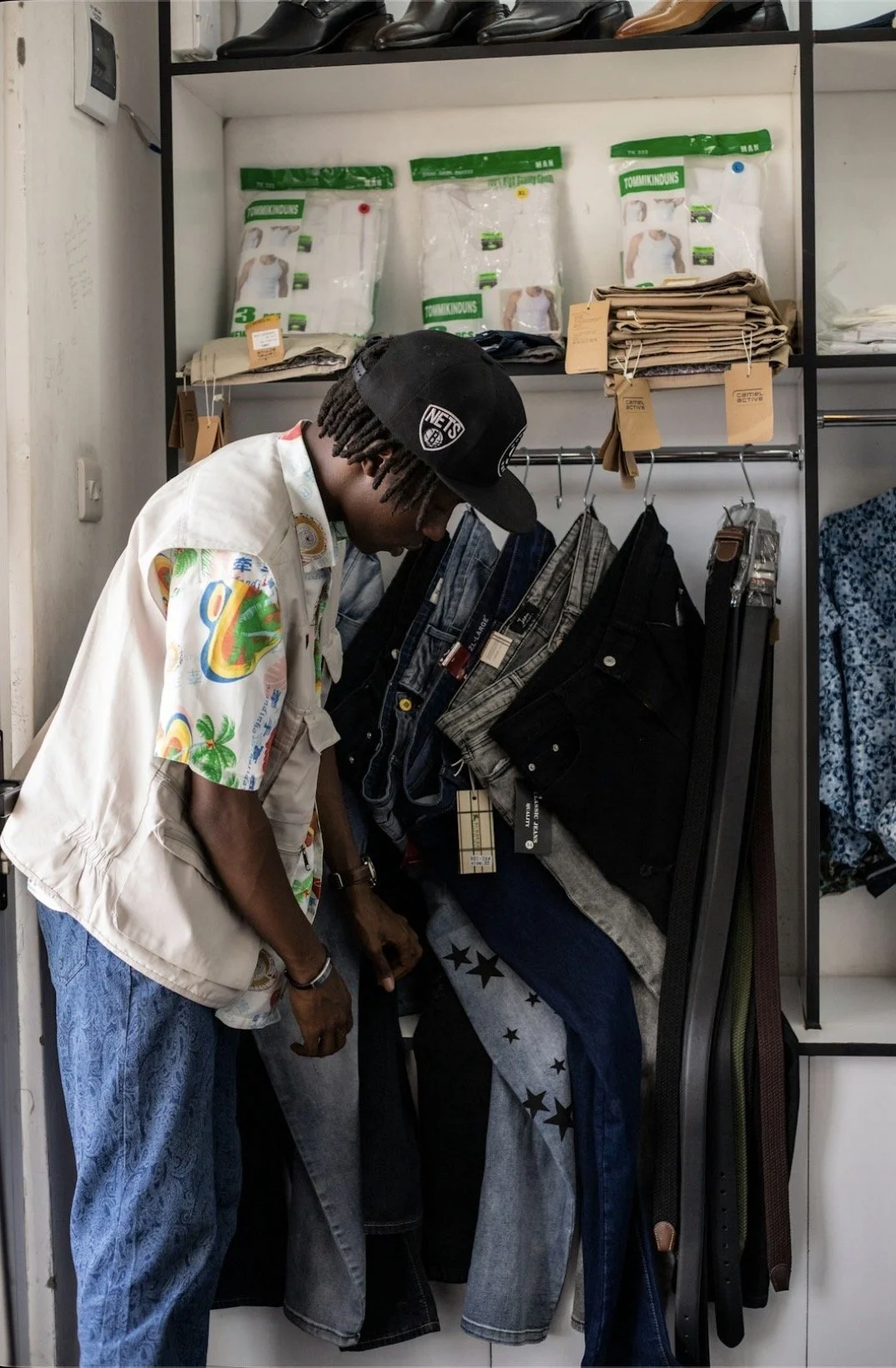
What is Decision Fatigue?
Decision fatigue happens when the quality of your decisions declines after making too many choices throughout the day.
Executives experience this constantly:
Meetings
Staffing decisions
Financial choices
Problem solving
Communication management
Crisis response
Client interactions
By the time many professionals reach midday, they are mentally depleted; not because they lack capability, but because their brain has been forced to process too much input.
Now imagine beginning every morning with stress, uncertainty, and frustration, over your appearance before the workday even starts.
Your wardrobe should support your leadership, not compete with it.
Why High-Level Professionals Simplify Their Wardrobes
There is a reason many highly successful people develop a signature style.
It is not laziness.
It is strategy.
When your wardrobe is intentional, getting dressed becomes automatic rather than emotionally draining.
You Stop:
Overthinking
Second-guessing
Panic shopping
Trying to reinvent yourself every morning
Buying random pieces that do not work together
Instead, your closet becomes a system.
Every piece has a purpose.
Everything coordinates.
Everything reflects your personal brand.
The result is less stress and more consistency.
And consistency is what creates a recognizable, elevated image.
Your Wardrobe is Either Creating Friction or Creating Ease
Most professionals think their wardrobe problem is about needing “more clothes.”
Usually, the opposite is true.
The real issue is:
Too many disconnected pieces
Too many trend purchases
Too many items that no longer fit your lifestyle
You many options that still somehow produce nothing to wear
A high-functioning wardrobe removes friction from your life.
When our closet is built correctly:
Outfits come together quickly
Packing becomes easier
Shopping becomes more intentional
Morning routines become calmer
Your confidence becomes more stable
You spend less time managing your appearance and more time leveraging it.
Executive Presence Starts Before You Speak
People often think executive presence begins when you walk into a room.
In reality, it begins before you even open your mouth.
Your appearance communicates:
Competence
Attention to detail
Self-Respect
Authority
Clarity
Personal Standards
An intentional wardrobe creates visual alignment between who you are and the level you operate at.
This matters especially in leadership positions where perception influences trust, opportunity, and influence.
The goal is not to look flashy.
The goal is to look clear.
Clear in your image. Clear in your standards. Clear in your identity.
Because when your appearance feels aligned, your energy changes too.
The Hidden Cost of an Unorganized Image
A disorganized wardrobe does not stay in the closet.
It spills into:
Your confidence
Your stress levels
Your finances
Your shopping habits
Your professional image
Many professionals overspend simply because they lack a system.
They continue buying:
Duplicate items
“Almost right” pieces
Trend-driven clothing
Emotional purchases
Cheap replacements for foundational gaps
Without strategy, wardrobes become expensive collections of disconnected items.
A curated wardrobe, however ,creates longevity.
You buy less. You buy smarter. You wear more of what you own.
Style Should Reduce Stress. Not Add to It.
One of the biggest misconceptions in fashion is that style has to be complicated.
Real style is efficient.
It should help your life run smoother.
The most effective wardrobes are built around:
Fit
Versatility
Coordination
Color harmony
Lifestyle alignment
Quality over quantity
When these elements are in place, getting dressed becomes intuitive rather than exhausting.
That is the real luxury.
Not excess. Ease.
The Most Powerful Wardrobes Function Like a Personal Brand
Your wardrobe should communicate the same message every time:
“ I know who I am.”
Professionals who master their image understand that style is not about impressing everyone.
It is about creating alignment between:
Your goals
Your lifestyle
Your career
Your energy
Your visual presence
The strongest personal brands are recognizable because they are consistent.
Not repetitive. Consistent
There is a difference.
Final Thoughts
Decision fatigue is real, and most professionals underestimate how much their wardrobe contributes to it.
Your closet should not feel like another problem to solve before 8 AM.
It should function as a tool:
Supporting your confidence
Simplifying your routine
Reinforcing your authority
Protecting your mental energy
Helping you show up at your highest level
Because high-level professionals do not just optimize their businesses.
They optimize themselves.
And the right wardrobe is one of the most overlooked systems for doing exactly that.
