
There are executives who walk into a room and immediately command attention, and then there are equally talented professionals who get overlooked before they even speak.
The different is rarely intelligence.
It’s rarely work ethic.
And most of the time, it’s not even experience.
It image strategy.
In professional environments, people are constantly making subconscious decisions about who looks capable, trustworthy, polished, authoritative, and promotable. Whether we like it or not, perception influences opportunity. The professionals who understand this tend to move differently, negotiate differently, and get treated differently.
Your image is not vanity. Your image is communication.
And if your appearance is sending mixed signals, you may be unintentionally making your success harder than it needs to be.
The Professionals Who Get Ahead Understand One Thing

High performers often believe their work should speak for itself. In a perfect world, maybe it would. But in real-world environments; corporate offices, leadership meetings, networking events, client-facing roles, interviews, and conferences; people make judgements before your resume, metrics, or ideas ever enter the conversation.
Before you speak, people are already asking themselves:
Does this person look organized?
Do they look detail-oriented?
Do they look credible?
Do they look like leadership?
Do they look expensive, polished, and intentional?
Would I trust them with responsibility?
Your wardrobe answers those questions long before you do.
The problem is that many professionals approach style emotionally instead of strategically. They buy pieces randomly, follow trends that do not fit their lifestyle, or dress for comfort without understanding the visual consequences. The result is often a closet full of clothes and an image that still feels forgettable.
Looking “Fine” is Costing More Than You Think
One of the biggest professional traps is being visually neutral.
Not bad. Not Sloppy. Just…forgettable.
There are countless executives and professionals walking around in clothing that is technically acceptable but visually weak. Their clothes fit “okay.” Their colors drain them. Their styling lacks structure. Their grooming feels inconsistent. Nothing about their appearance reinforces authority, confidence, or clarity.
And in competitive spaces, average presentation creates invisible resistance.
You may notice it showing up as:
Being spoken over in meetings
Struggling to establish authority
Feeling invisible in networking environments
Losing confidence during presentations
Feeling underdressed around higher-level professionals
Being passed over despite strong qaulifications
Constantly second-guessing what to wear
This is where image strategy changes everything
Style Without Strategy Creates Inconsistency
Many people think upgrading their image means buying more clothes.
It doesn’t.
A strategic wardrobe is not built around quantity; it is built around alignment.
The goal is to create visual consistency between:
Your ambitions
Your lifestyle
Your professional goals
Your personality
Your Body Type
Your coloring
Your industry
The level of authority you want to project
This is why two people can wear the same blazer and produce completely different results.
One looks elevated. The other looks like they borrowed it.
The difference is intentionally.
True image strategy takes into account:
Fit and tailoring
Fabric quality
Structure and silhouette
Color harmony
Proportion
Grooming
Accessories
Visual balance
Presence
When those elements work together, your image begins communicating competence automatically.
Executive Presence Starts Before You Speak
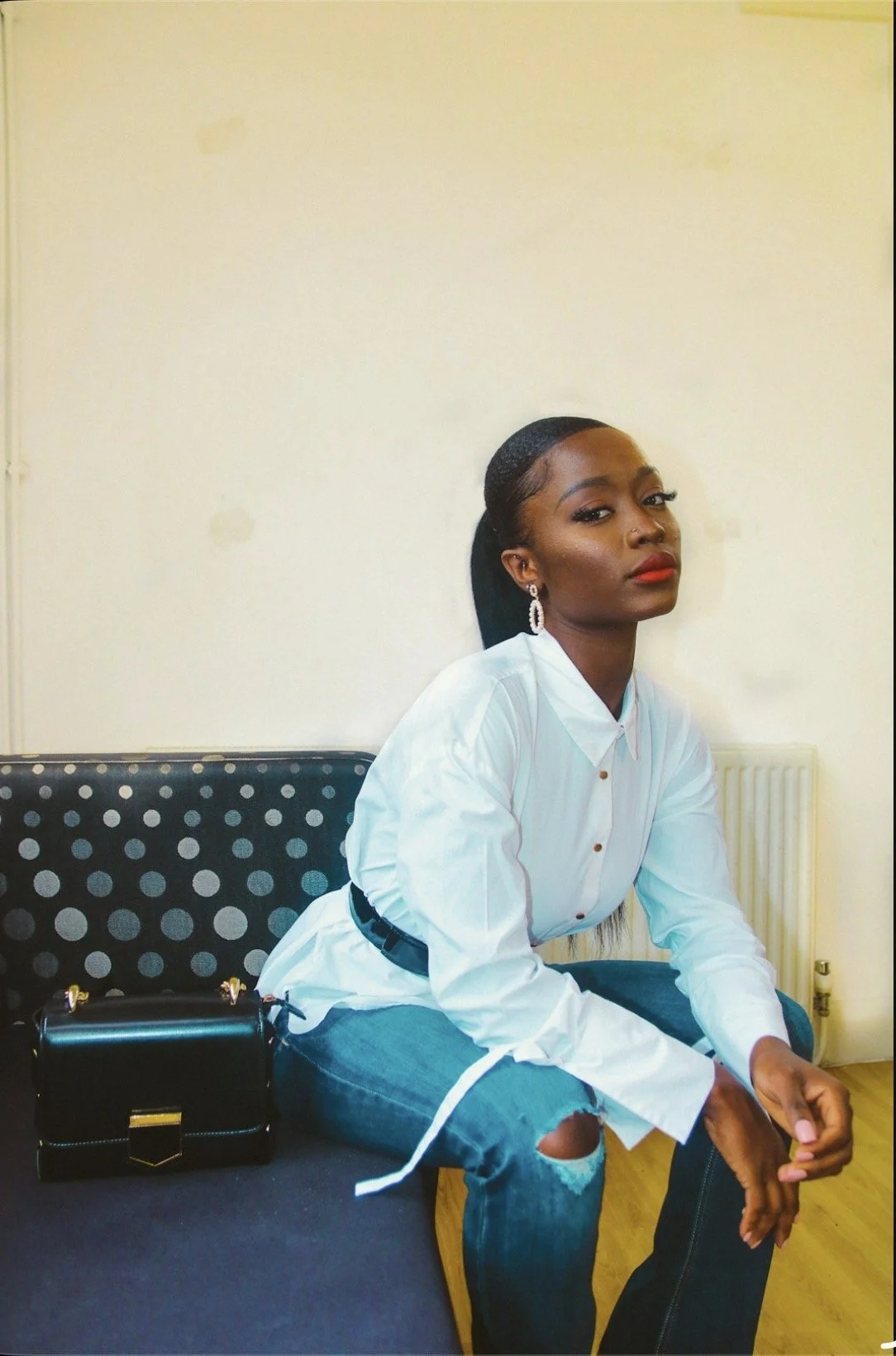
Professionals often think executive presence is purely about confidence or communication skills. In reality, image is one of the strongest contributors to perceived authority.
People trust visuals before logic.
A polished appearance signals:
Self-awareness
Discipline
Attention to detail
Standards
Social intelligence
Competence
This is why executives who understand image strategy often appear calmer, more confident, and more influential; even before they say anything particularly groundbreaking.
Their appearance removes friction.
Instead of distracting from their message, their image reinforces it.
Your Wardrobe Should Reduce Decision Fatigue, Not Create It
Many professionals wake up already mentally exhausted because their closet lacks cohesion. Every morning becomes a negotiation:
What fits?
What looks professional?
What works together?
Is this too much?
Is this not enough?
Do I look credible today?
A strategic wardrobe eliminates that chaos.
When your closet is intentional:
Getting dressed becomes faster
Outfits become repeatable
Shopping becomes easier
Packing becomes easier
Confidence becomes more consistent
You professional image becomes recognizable
You stop throwing clothes together and start building visual identity.
And that consistency matters more than most people realize.
The most memorable professionals rarely look random.
Image Strategy is Not About Looking Rich
One of the biggest misconceptions around elevated style is that it requires endless spending.
It doesn’t.
In fact, many professionals overspend because they lack strategy. They buy trendy pieces, impulse purchases, and “almost right” clothing that never fully works. Over time, they accumulate expensive clutter instead of a functional wardrobe.
A strategic image focuses on:
Better fit over more clothing
Better fabrics over loud branding
Intentional color palettes
Versatile silhouettes
Tailoring
Cohesion
Longevity
Looking high-level is less about designer labels and more about visual refinement.
A well-tailored blazer from the right brand will outperform an expensive ill-fitting one every time.
The Goal is Not Attention. It’s Impact.

There is a difference between dressing loudly and dressing powerfully.
Image strategy is not about becoming someone else. It is about removing visual distractions so people fully register who you are.
The right image can:
Increase confidence
Improve first impressions
Strengthen authority
Support leadership presence
Elevate professional branding
Create consistency across environments
Help opportunities feel more accessible
You are not trying to look “perfect.”
You are trying to look aligned.
Because when your appearance matches your capability, people stop overlooking you.
They start remembering you.
Final Thoughts
The professionals who become unignorable are not always the loudest people in the room. Often, they are simply the most intentional.
Their image communicates clarity. Their wardrobe communicates standards.
Their presence communicates leadership.
And in a world where attention is limited and perception moves fast, strategic presentation becomes an advantage.
Your image should not create doubt around your capability. It should reinforce it.
Because sometimes the difference between being overlooked and being recognized is not talent. It’s presentation.
