
When most people hear the word “branding,” they immediately think of logos, websites, fonts, colors, and marketing campaigns. While those elements absolutely matter, there is one aspect of branding that executives and professionals consistently underestimate: themselves.
Before someone experiences your company, they experience you. Your appearance walks into the room before your résumé does. Your style communicates before you even begin speaking. In professional environments where perception influences opportunity, trust, leadership, and authority, personal style becomes an extension of your business strategy; not vanity.
The truth is, branding is no longer limited to companies. Every executive, entrepreneur, leader, and professional has become a personal brand whether they intentionally cultivate one or not.
The question is: What is your image currently saying on your behalf?
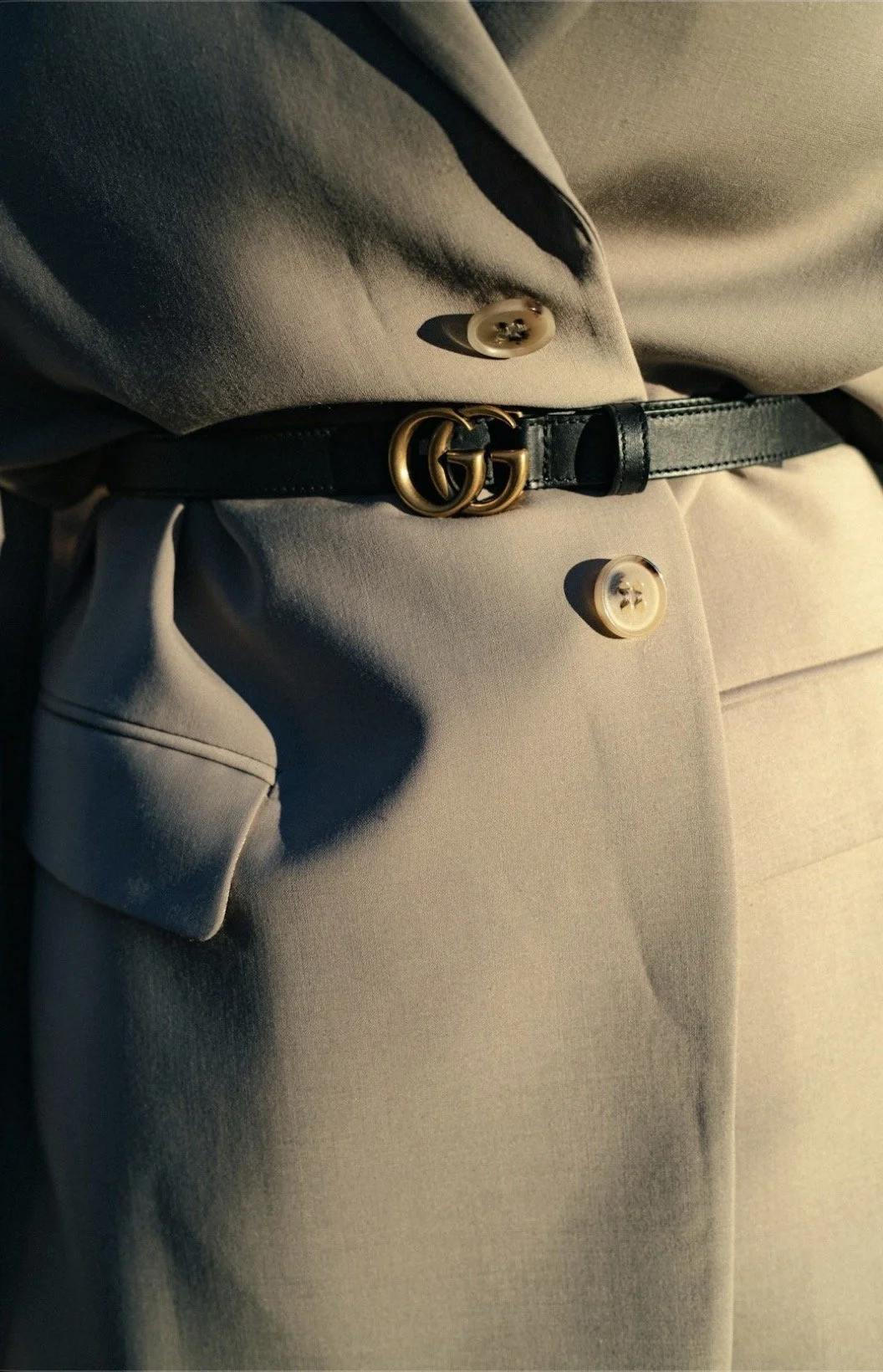
Your Image is a Business Tool
Executives often spend thousands investing in business growth while neglecting the one thing attached to every meeting, presentation, negotiation, and opportunity: their image.
A polished appearance does more than “look good.” It creates psychological positioning.
People subconsciously make assumptions about:
Competence
Leadership ability
Confidence
Attention to detail
Financial success
Credibility
Social influence
Professional standards
All within seconds.
This means your wardrobe is not separate from your professional identity. It is part of your communication strategy.
The way you present yourself either reinforces your expertise; or quality weakens it.
Style Creates Brand Consistency
Strong companies understand consistency builds trust.
Luxury brands don’t randomly change their tone every week. High-performing businesses carefully curate how they are perceived. The same principle applies to personal image.
If your professional identity is:
Refined
Strategic
Innovative
Powerful
Creative
Approachable
High-level
… your appearance should support that message.
A disconnect between your expertise and your image creates confusion.
For example:
A high-level executive dressing overly casual may unintentionally appear disengaged or less authoritative.
A creative entrepreneur with no visual identity may struggle to appear memorable.
A leader attempting to command respect while dressing inconsistently may dilute their executive presence.
Your style should visually reinforce the level you claim to operate at.
Executives are No Longer Judged on Skill Alone
Many professionals still believe talent should speak for itself.
Unfortunately, business does not work that way.
The higher you rise professionally, the more perception begins influencing access and opportunity.
At executive levels, people evaluate:
Presence
Presentation
Poise
Energy
Confidence
Visual leadership
This is why two equally qualified professionals can receive completely different reactions in the same room.
One looks ready for leadership. The other simply looks qualified.’
There is a difference.
Personal style helps bridge the gap between capability and visibility.
Personal Style Builds Memorability
One of the most overlooked benefits of intentional style is recognition.
In today’s world, professionals are constantly competing for attention:
Online
In meetings
At conferences
On panels
During networking
Across social media
In leadership spaces
Memorable people rarely rely on credentials alone.
They develop a recognizable presence.
That does not mean dressing loudly or chasing trends. In fact, the most powerful dressers are often incredibly intentional and restrained.
Think:
Signature tailoring
Consistent silhouettes
Elevated grooming
Strong color palettes
Quality fabrics
Refined accessories
Strategic simplicity
The goal is not to become “fashionable.” The goal is to become visually identifiable.
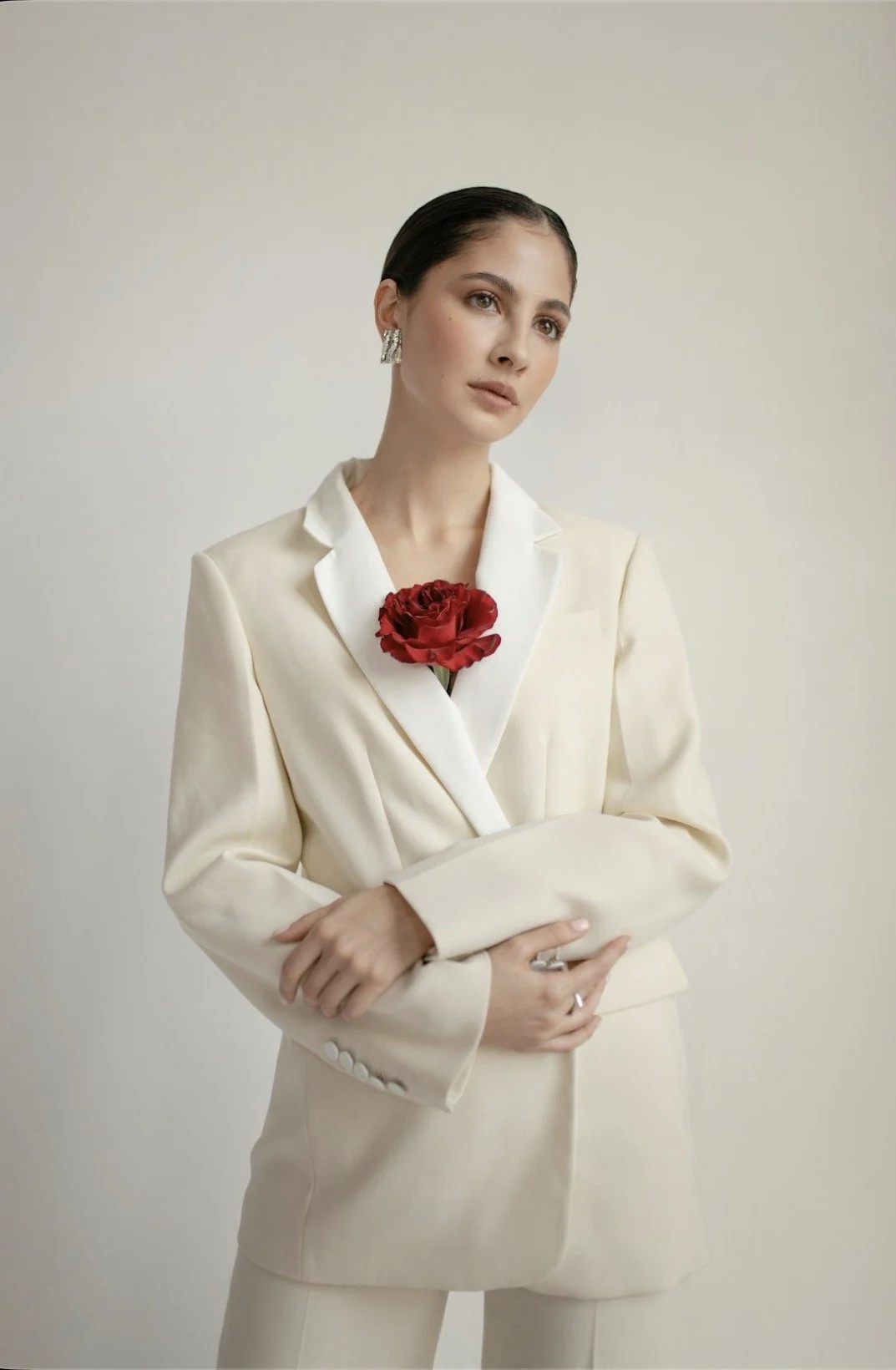
Style Influences Self-Perception
Personal branding is not only external; it affects internal performance too.
When professionals feel aligned with their appearance, they often:
Communicate more confidently
Speak with greater authority
Carry themselves differently
Become more socially present
Increase visibility
Take themselves more seriously
There is a psychological shift that occurs when your external image reflects your internal ambition.
Your wardrobe can either reinforce your next level; or anchor you to an outdated version of yourself.
Many professionals are unknowingly dressing for the role they’ve outgrown instead of the role they are trying to step into.
The Most Powerful Style is Strategic
Luxury is not about logos anymore.
True sophistication is found in intentionality.
The most powerful professionals understand:
Fit matters more than labels
Grooming matters more than trends
Cohesion matters more than quality
Presence matters more than price tags
A strong personal brand is built through alignment.
When your appearance, communication, confidence, and professional identity all work together, people experience clarity around who you are and what level you operate at.
That clarity creates trust. Trust creates influence. Influence creates opportunity.
Final Thoughts
Your business branding may attract attention, but your personal image often determines whether people fully buy into you.
In executive and professional environments, style is no longer optional decoration. It is strategic positioning.
Because whether you realize it or not, your image is already speaking.
The real question is: Is it saying what you want it to say?
