
Where to Save VS. Where to Splurge in Your Wardrobe
For many executives and professionals, style becomes a balancing act between looking elevated and spending wisely. The mistake most people make is assuming they need an entirely luxury wardrobe to look successful. In reality, the most polished people often know exactly where to invest, and where not to.
A powerful wardrobe is less about price tags and more about strategy.
The goal is not to own the most expensive closet in the room. The goal is to create a wardrobe that consistently communicates competence, confidence, authority, and refinement without wasting money on pieces that don’t deserve it.
The professionals who always seem “put together” usually aren’t buying more. They’re buying smarter.
The Biggest Wardrobe Mistake Professionals Make
Many professionals spend heavily on trendy items while neglecting the foundational pieces that actually shape how they’re perceived.
You’ll see:
Expensive designer sneakers paired with poorly tailored trousers
Luxury handbags next to wrinkled blouses
High-end watches worn with shoes that are visibly worn down
Closets full of trendy pieces but nothing cohesive enough for daily professional life
Style starts breaking down when money is spent emotionally instead of intentionally.
The truth is:
People notice quality most in the areas closest to your face, posture, and overall silhouette.
That means your grooming, fit, fabrics, tailoring, and shoes usually matter more than logos.
Where You Should Splurge
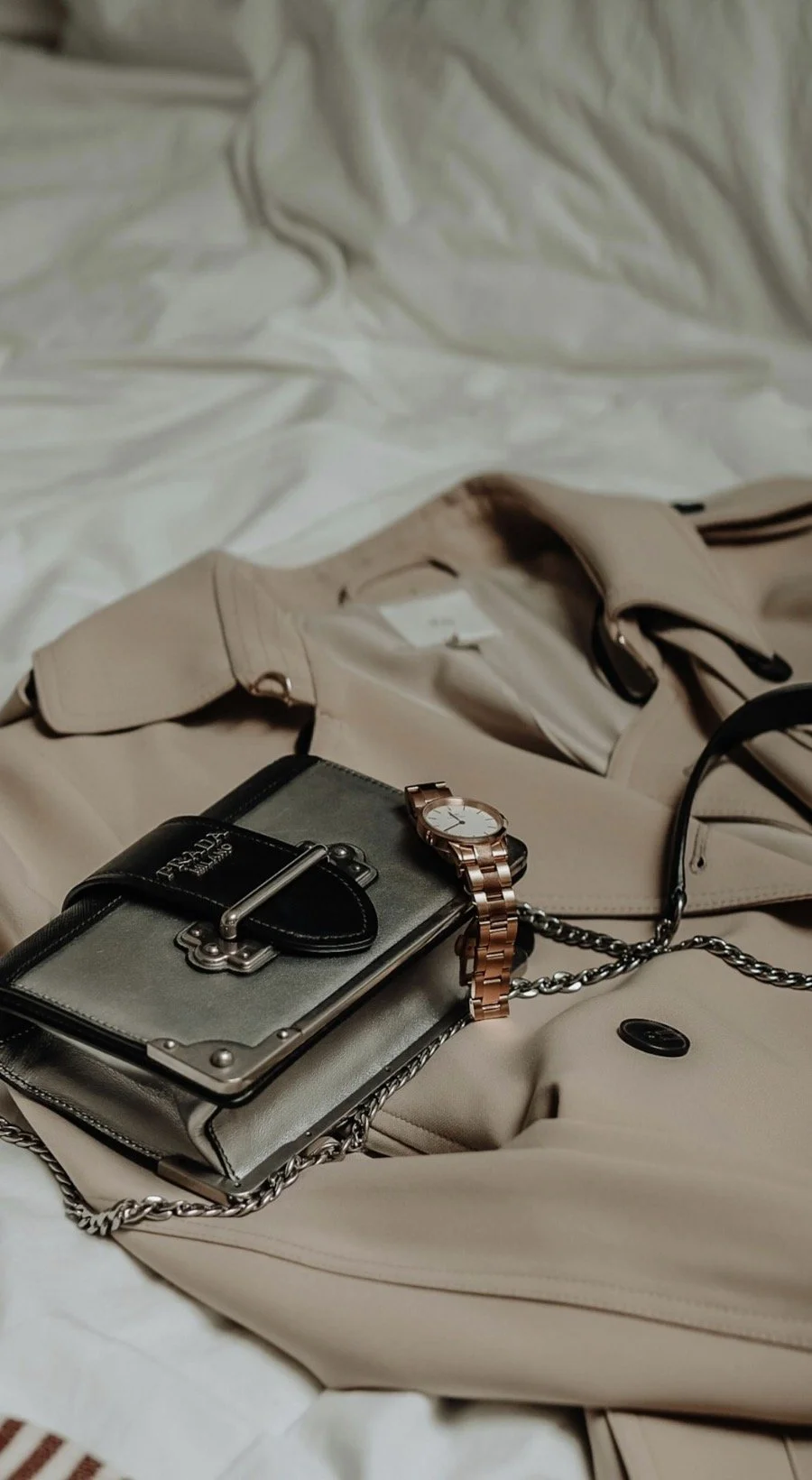
Certain pieces work harder than others. These are the items that directly impact how polished, credible, and elevated you appear.
1. Tailoring & Fit
This is non-negotiable.
A moderately priced blazer that fits perfectly will always look more expensive than a luxury blazer that hangs poorly on the body.
Tailoring changes:
Posture
Shape
Confidence
Presence
Professionalism
Executives who understand image know fit is everything.
Splurge on:
Hemming trousers properly
Waist suppression in jackets
Sleeve adjustments
Dress alterations
Structured pieces that flatter your proportions
Fit is what separates “dressed” from “well-dressed.”
2. Shoes
Shoes quietly communicate standards.
Cheap shoes tend to age quickly, lose structure, crease poorly, and instantly lower the sophistication of an outfit, even when everything else looks polished.
Professionals should invest in:
Quality leather loafers
Structured heels
Clean white sneakers for elevated casual looks
Durable boots
Comfortable dress shoes that maintain shape
A good shoe improves the entire outfit.
People may not consciously identify why someone looks polished, but shoes are often part of the answer.
3. Outerwear
Your coat is often the first thing people see.
If you work in executive spaces, travel often, attend conferences, networking events, dinners, or client meetings, outerwear matters more than most people realize.
A sharp coat instantly upgrades:
Airport looks
Commutes
Business casual outfits
Dinner attire
Everyday basics
Invest in timeless outerwear like:
Wool coats
Structured trench coats
Minimal leather jackets
High-quality blazers
Tailored overcoats
A strong coat creates authority before you even speak.
4. Bags & Briefcases
Professionals carry their lives with them.
A worn-out tote, peeling briefcase, or overstuffed backpack can quietly undermine an otherwise polished image.
You don’t necessarily need designer, but you do need:
Structure
Durability
Clean lines
Quality material
Minimal visible wear
Your bag should support your image, not distract from it.
5. Grooming, Hair, and Skin
This is where many professionals underinvest.
You can wear an incredible outfit, but if your grooming looks neglected, the overall presentation suffers.
Your image is holistic.
Investing in:
Healthy hair
Consistent grooming
Skincare
Makeup that enhances rather than masks
Maintenance appointments
Clean nails
Fragrance
often creates more visible impact than buying another trendy outfit.
People respond to polish before they process fashion.
Where You Can Save
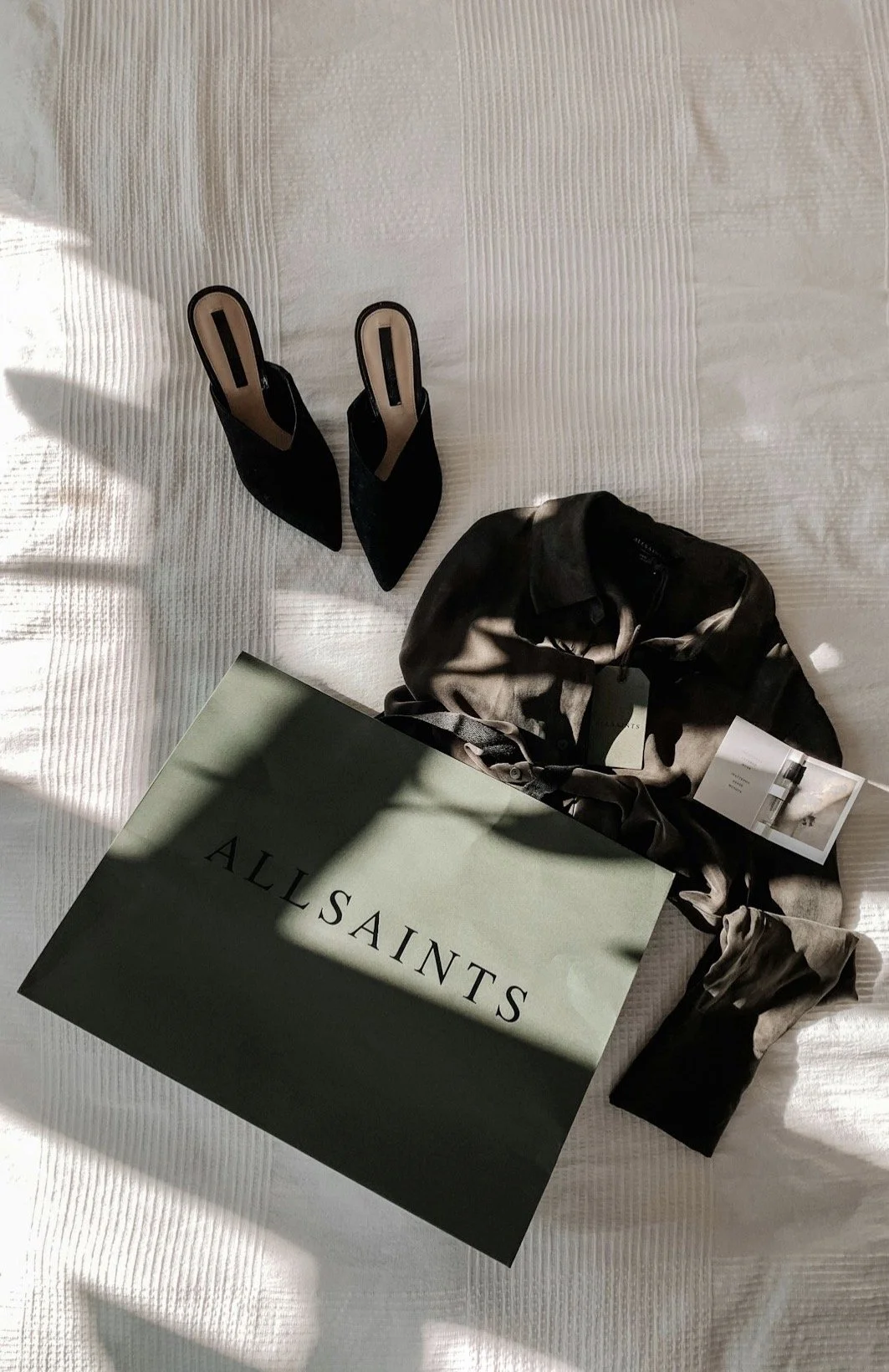
Not everything in your wardrobe needs to be expensive. In fact, some categories are smarter to buy affordably because they rotate faster or simply don’t need luxury-level construction.
1. Trend Pieces
Trends move quickly.
Spending heavily on:
Viral colors
Seasonal statement items
Hyper-trendy silhouettes
“It” pieces
usually leads to regret six months later.
Instead:
Experiment affordably.
Use trends as accents; not the foundation of your wardrobe.
2. Basic Layering Pieces
Simple:
Tank tops
Basic tees
Camisoles
Lightweight layering tops
do not always require luxury pricing.
As long as:
The fabric isn’t see-through
The fit is flattering
The material holds shape
The color stays rich
you can save significantly here.
3. Accessories That Rotate Frequently
Not every accessory needs to be an investment purchase.
Especially for:
Costume jewelry
Seasonal scarves
Trend sunglasses
Fashion belts
Statement accessories
there are excellent mid-range and affordable options that still look elevated.
The key is choosing pieces that look intentional rather than obviously disposable.
4. Casual Wear
Your off-duty wardrobe can absolutely be elevated without overspending.
Professionals often assume they need luxury loungewear or expensive casual basics to look successful outside the office.
In reality:
Clean, coordinated, fitted casualwear matters more than labels.
A well-fitted monochromatic outfit from a mid-range retailer will often outperform a sloppy luxury outfit.
The Real Secret: Cost Per Wear
High-level dressers think differently about spending.
Instead of asking:
“How much does this cost?”
They ask:
“How often will I realistically wear this?”
A $600 blazer worn twice a week for three years becomes far more valuable than five cheap blazers you avoid wearing because none fit correctly.
The smartest wardrobes are built around repetition, versatility, and longevity.
Your Wardrobe Should Support Your Career
Executives and professionals are constantly being evaluated; whether consciously or subconsciously.
Your wardrobe affects:
First impressions
Leadership perception
Authority
Trustworthiness
Confidence
Opportunities
Visibility
This doesn’t mean dressing in designer from head to toe.
It means understanding what actually moves the needle in your appearance.
The most effective wardrobes are intentional.
Balanced.
Strategic.
Polished.
Because true style is not about spending the most money.
It’s about knowing exactly where the money matters.
