
The Competitive Edge No One Talks About
In business, everyone talks about strategy, networking, leadership, productivity, and communication. Executives spend thousands on certifications, masterminds, coaching, conferences, and business development; yet one of the most immediate competitive advantages in the professional world is consistently overlooked:
Your image.
Not in the shallow, trend-driven sense. Not in a “dress to impress” cliché. But in the strategic sense, the ability to visually communicate competence, authority, discipline, and trust before you ever speak.
Because whether people admit it or not, perception affects opportunity.
The executive who looks polished is often assumed to be more capable. The professional who appears intentional is trusted faster. The person who visually matches the level they aspire to is often treated as though they already belong there.
And in high-level environments, those small assumptions compound into very real advantages.
Your Appearance is Speaking Before You
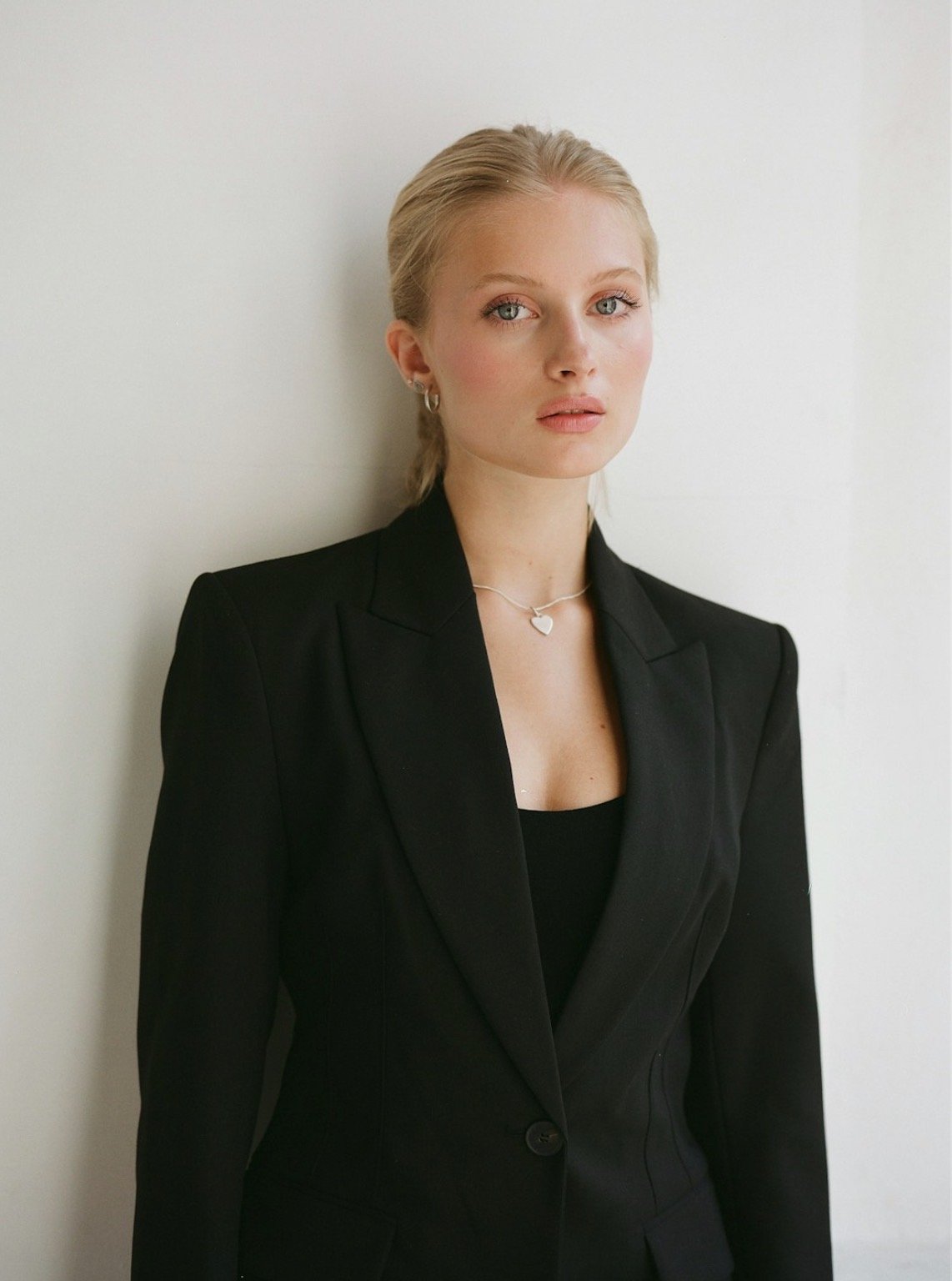
Long before your résumé is read or your ideas are heard, people are gathering information from visual cues.
They are subconsciously asking:
Does this person look organized?
Do they look detail-oriented?
Do they understand the room they’re in?
Do they look trustworthy with responsibility?
Do they carry themselves like leadership?
This happens in seconds.
The truth is, executives and professionals are constantly being evaluated, not just on performance, but on presentation. Your appearance becomes part of your professional communication whether you intentionally use it or not.
The problem is that many high-performing people assume their work alone should speak for itself.
In an ideal world, maybe it would.
But in reality, people experience you before they fully know you.
Competence Without Presence Gets Overlooked
One of the biggest frustrations professionals experience is feeling invisible despite being qualified.
They work hard.
They deliver results.
They know they are capable.
Yet they keep getting passed over for opportunities, leadership visibility, higher-end clients, or influential rooms.
Often, the missing piece is not intelligence. It is presence.
Presence is what makes people pause when you walk into a room.
Presence is what makes your words carry more weight.
Presence is what makes people remember you after the meeting ends.
And style plays a larger role in that than most professionals are willing to acknowledge.
When your image feels disconnected from your level, it creates friction. People struggle to immediately place you in positions of authority, refinement, or leadership.
Your appearance should reinforce your capability, not compete against it.
High-Level People Understand Visual Strategy
There is a reason the most successful people in the world become intentional about their appearance.
It is not vanity.
It is alignment.
They understand that image creates emotional responses.
A tailored blazer communicates structure.
Well-maintained grooming signals discipline.
Quality fabrics communicate discernment.
Fit communicates self-awareness.
Consistency communicates stability.
None of these things require designer labels or excessive spending.
They require intention.
The most powerful professionals are rarely the loudest dressers in the room. In fact, high-level style is usually quieter, cleaner, sharper, and more controlled.
Their clothing supports their authority rather than distracting from it.
The Cost of Looking Unprepared
Many professionals underestimate how much visual inconsistency affects perception.
Wrinkled clothing.
Poor tailoring.
Outdated silhouettes.
Cheap-looking fabrics.
Neglected grooming.
Overcomplicated styling.
Looking exhausted or disheveled.
These details may seem minor individually, but together they create an overall impression.
And impressions influence:
Hiring decisions
Client trust
Promotions
Networking opportunities
Leadership perception
Social influence
Romantic perception
Confidence levels
You may only get one opportunity to occupy someone’s attention. Your image determines whether that opportunity expands or shrinks.
Confidence Changes When You Look Aligned
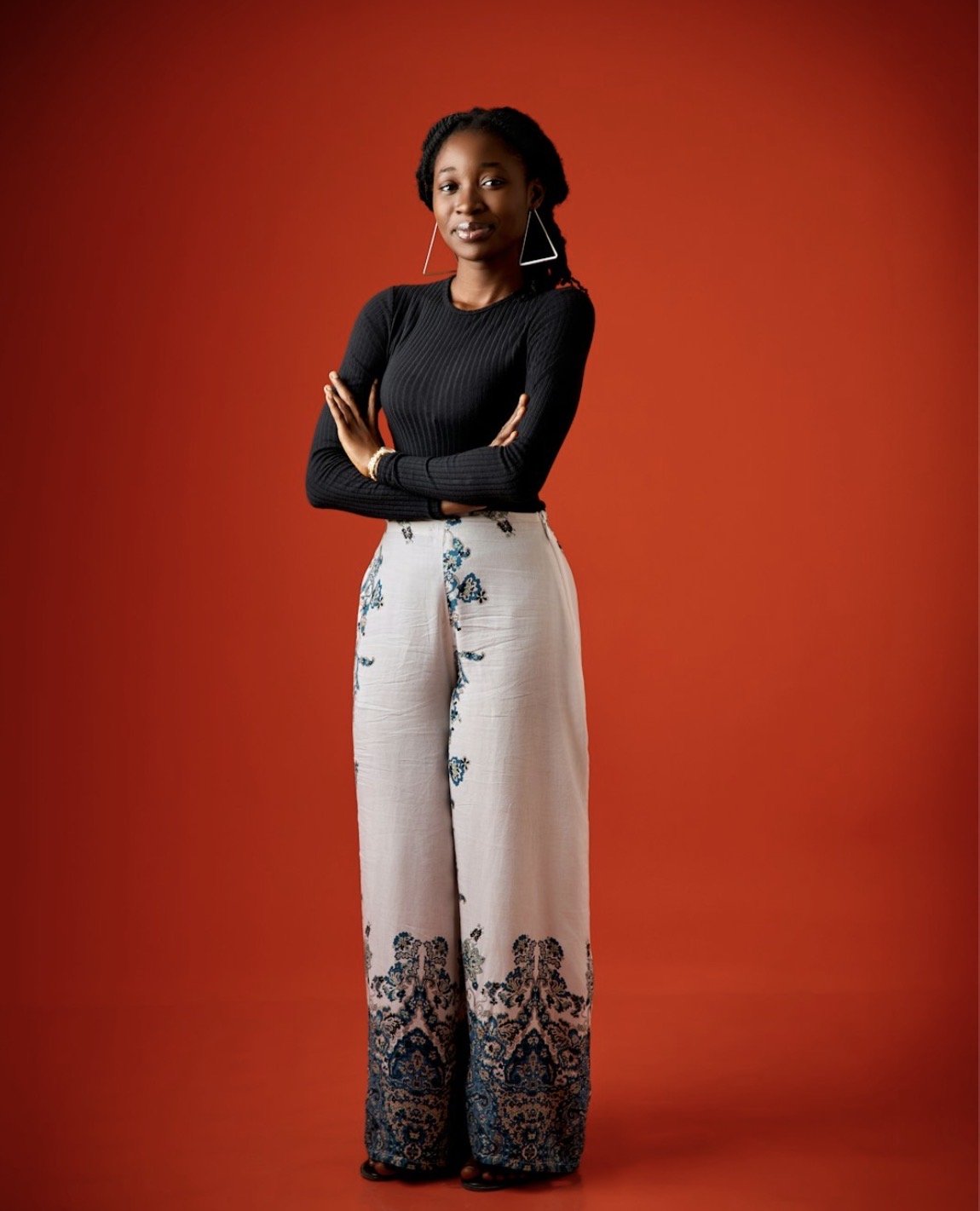
One of the most overlooked benefits of intentional style is internal, not external.
People behave differently when they feel visually aligned with the version of themselves they are becoming.
They speak more clearly.
They stop shrinking.
They become more decisive.
They carry themselves with greater certainty.
They show up more consistently.
This is why image strategy is not superficial; it is behavioral.
When you look like someone prepared for bigger rooms, you begin operating like someone prepared for bigger rooms.
Your wardrobe can either reinforce hesitation or reinforce self-respect.
The Competitive Edge is Intentionality
The professionals who stand out are rarely perfect.
They are intentional.
Intentional about grooming.
Intentional about fit.
Intentional about color.
Intentional about presentation.
Intentional about how they make people feel.
That intentionality signals something powerful:
This person pays attention.
And in executive environments, attention to detail is often associated with competence itself.
The reality is simple:
People trust what looks refined.
People respect what looks disciplined.
People remember what looks elevated.
Final Thoughts
The competitive edge no one talks about is not louder branding, trendier clothing, or trying harder to impress people.
It is visual alignment.
It is ensuring your outward presentation reflects the level of professionalism, discipline, intelligence, and authority you already possess internally.
Because in business, and in life; people often respond to what they can immediately perceive.
Your image should not be the reason you are underestimated.
It should be part of the reason you are unforgettable.
