
Dressing for Promotion: Signaling You’re Ready for the Next Level
In professional environments, perception is often formed long before performance is fully evaluated. While skills, results, and leadership ability are the foundation of advancement, presentation acts as the visual cue that you are prepared to occupy a higher seat at the table.
Dressing for promotion is not about vanity or extravagance— it is about alignment. Alignment between how you look and the level of responsibility, authority, and influence you want to step into.
Your wardrobe becomes a silent résumé, reinforcing the message: “I am already operating at the next level.”

Why Appearance Impacts Advancement
Executives and decision-makers are constantly assessing readiness. Clothing influences subconscious judgments related to:
Credibility— Do you look dependable and detail-oriented?
Authority— Do you command presence without speaking?
Competence— Does your style reflect precision and intentionality?
Leadership Readiness— Does you visually mirror those already in higher roles?
When your appearance matches the expectations of the role you want, you remove friction from advancement conversations. You are no longer “potential” — you are perceived as prepared.
Dress for the Role You Want, Not the One You Have
This principle is often repeated, but rarely executed strategically. Dressing for promotion does not mean overdressing or abandoning workplace culture. Instead, it means elevating within context.
Practical Ways to Apply This:
Observe how senior leaders dress— note fit, fabric quality, and color choices.
Upgrade materials rather than drastically changing silhouettes.
Introduce one elevated element at a time (tailored blazer, refined shoes, structured bag).
Maintain authenticity— the goal is evolution, not costume.
The Power of Fit: The Fastest Upgrade
Before brand names or trends, fit is the most influential factor in professional style. Ill-fitting garments signal carelessness, while tailored clothing communicates precision and self-awareness.
Key Fit Priorities
Jackets should contour the shoulders without pulling.
Trousers and skirts should skim— not cling or sag.
Sleeve and hem lengths should be intentional.
Shirts and blouses should allow movement without excess fabric.
A well-tailored mid-range garment will outclass an expensive but poorly fitted one every time.
Color Psychology in Executive Dressing
Color subtly influences perception. Strategic use of color can position you as authoritative, approachable, or innovative depending on your goals.
Common Executive Color Signals:
Navy: Trust, stability, intelligence
Charcoal/Grey: Neutral authority, professionalism
Black: Power, sophistication, formality
White/Cream: Clarity, confidence, organization
Burgundy/Deep Green: Depth, refinement, maturity
Soft Blue/Taupe: Approachability without loss of credibility
Promotion-oriented wardrobes often lean toward deeper neutrals with controlled accents, rather than loud or overly trendy palettes.
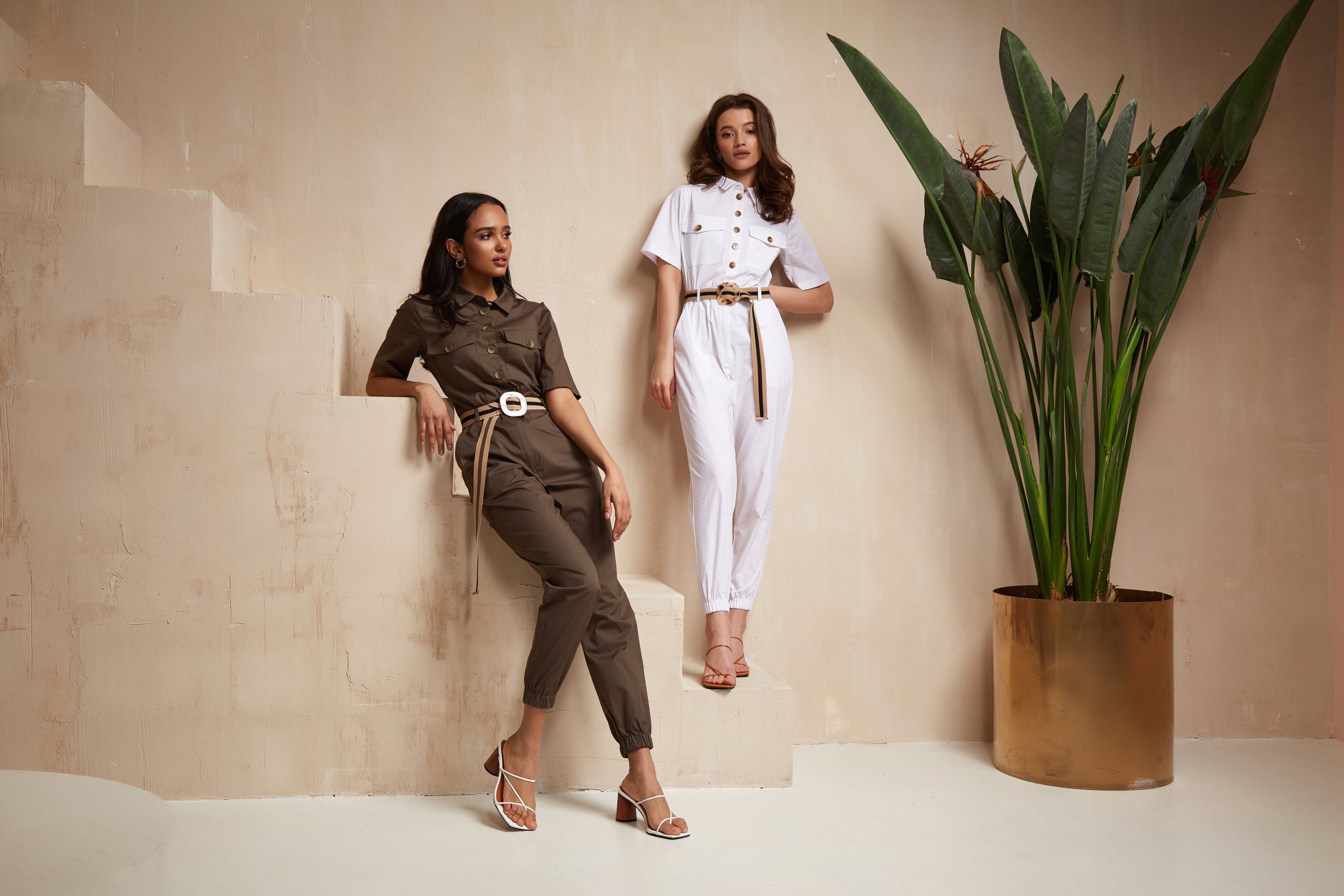
Accessories: Signals of Intentionality
Accessories are where style distinction occurs. Executives rarely rely on quantity; they rely on quality and cohesion.
Elevating Accessories Without Overdoing It:
Structured leather bags or briefcases
Minimalist watched or classic jewlery
Clean, refined footwear
Belts that match shoe tones
Polished grooming and hairstyles
The objective is not decoration— it is visual refinement.
Grooming & Maintenance: The Non-Negotiables
No wardrobe can compensate for neglected grooming. Executive presence is reinforced through consistency.
Well-maintained haircuts or styles
Clean, pressed garments
Neutral or subtle fragrances
Manicured nails and polished shoes
Lint-free fabrics and wrinkle control
Attention to detail communicates reliability — a critical leadership trait.
Balancing Personality with Professionalism
Promotion dressing does not mean abandoning individuality. In fact, subtle personal branding can make you more memorable — when executed with restraint.
Ways to Integrate Personality:
A signature color in ties, scarves, or blouses
Distinct eyewear
Textured fabrics (wool blends, silk, structured cotton)
A consistent silhouette that becomes “your look”
The difference between expressive and excessive lies in control and consistency.
Common Mistakes to Avoid
Overly casual pieces in formal environments
Trend-driven clothing that dates quickly
Excessive logos or branding
Ill-fitting blazers or trousers
Worn-out shoes or handbags
Over-accessorizing
Promotion style should feel timeless, intentional, and quietly confident.
The Psychological Shift: Dressing Into Confidence
Clothing does more than influence others — it changes how you carry yourself. When you feel aligned with your appearance, posture improves, communication sharpens, and decision-making becomes more assured.
This is not superficial psychology; it is behavioral reinforcement. You begin to operate at the level you visually embody.
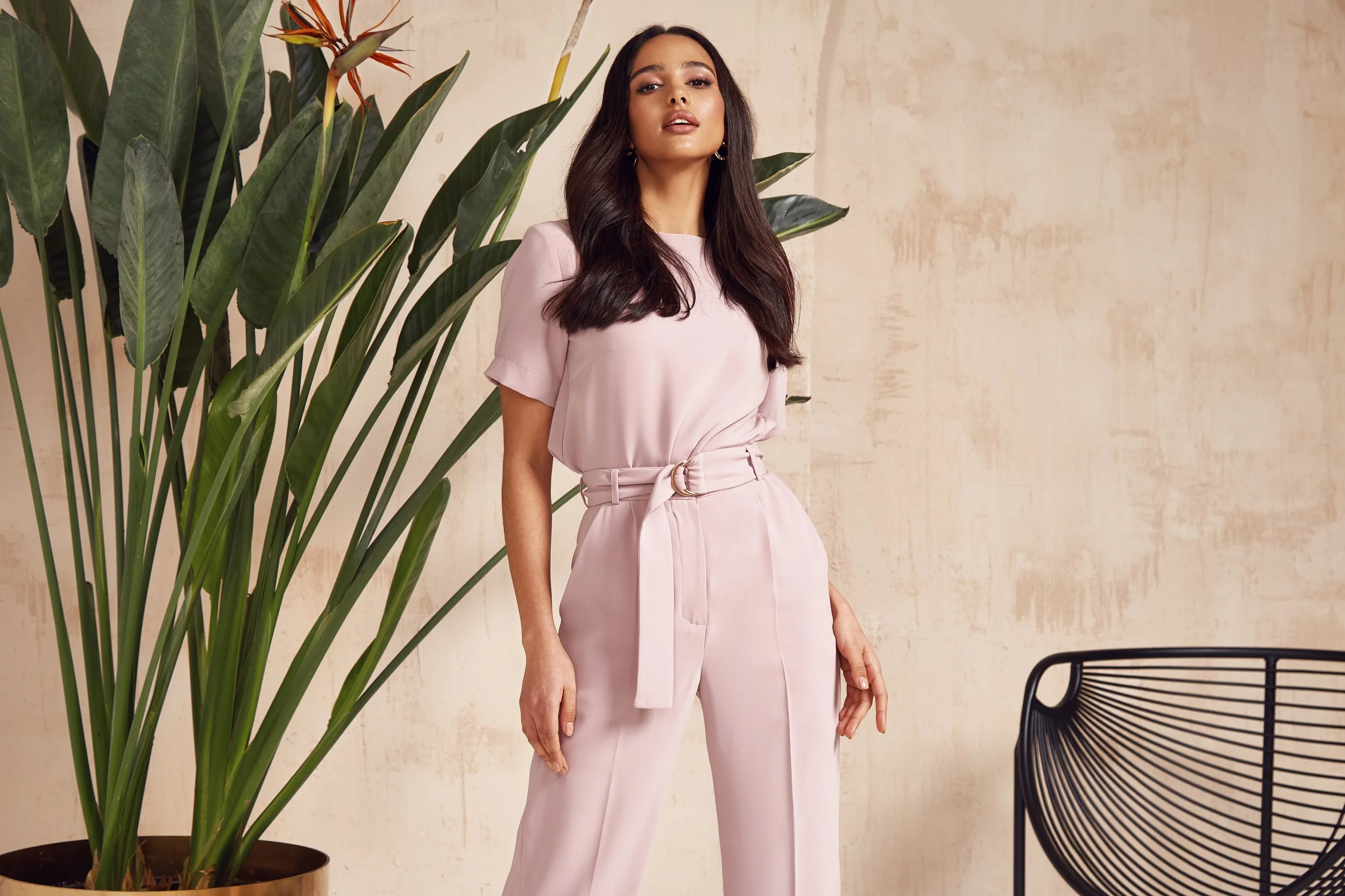
Final Thought: Visual Leadership Is Strategic, Not Superficial
Advancement is not secured by wardrobe alone, but wardrobe can accelerate recognition of readiness. Dressing for promotion is about strategic presentation, not extravagance.
You are not trying to impress — you are trying to align perception with capability.
When your visual presence reflects the responsibility you are prepared to hold, conversations shift from “Are they ready?” to “When can they start?”
#personalstylist #Stylistblog #FashionBlog #PersonalBrand #Stylistformen # #Styleexpert
